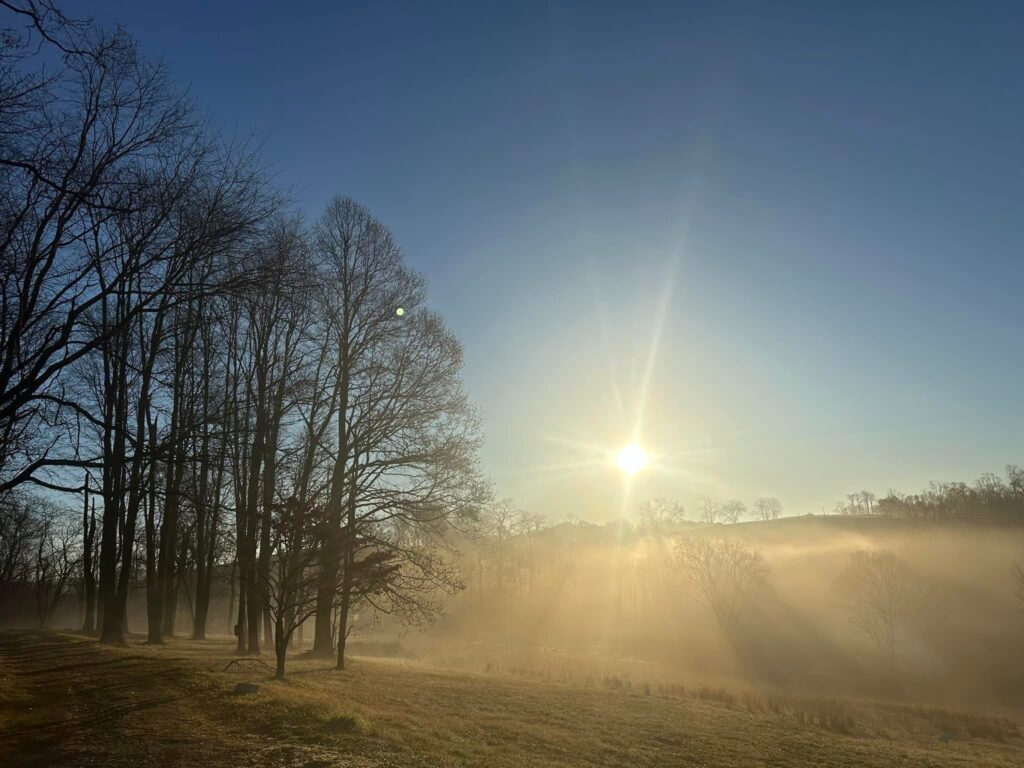
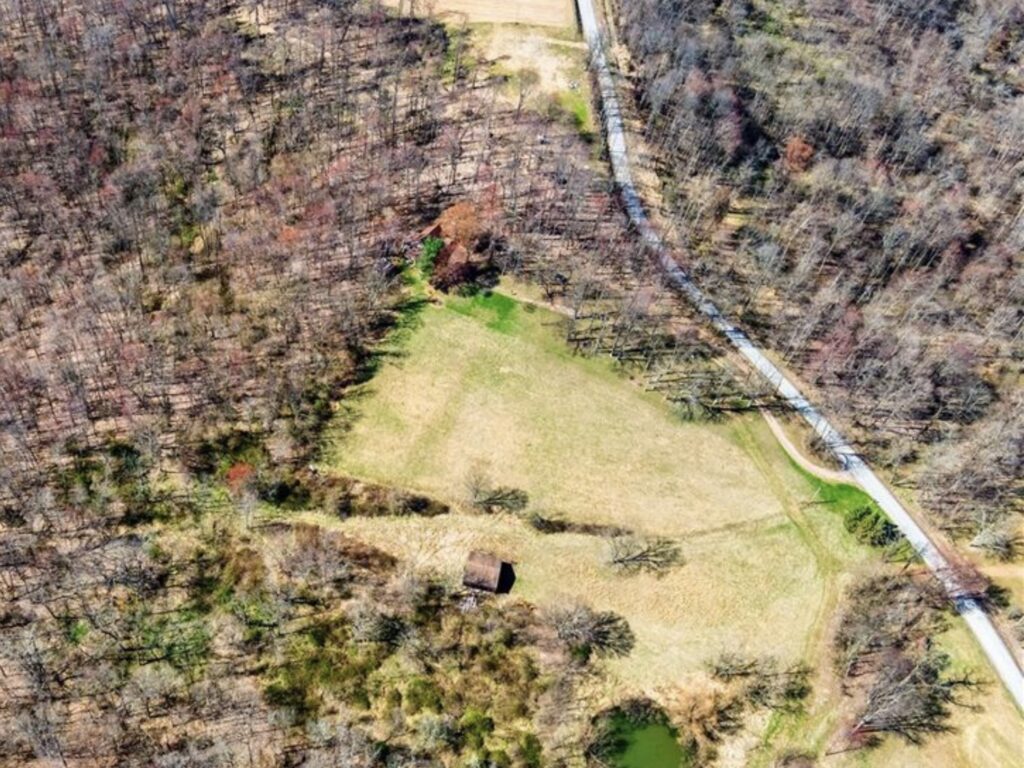
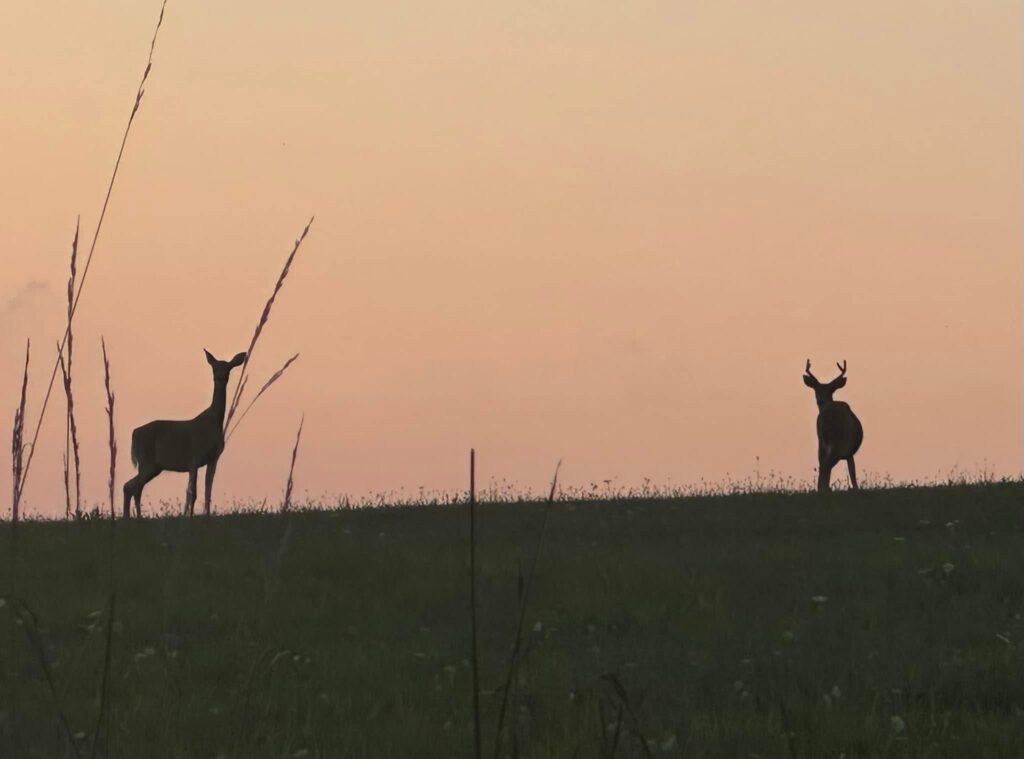
People ask us all the time when JW Homestead started. Usually they’re standing out in the pasture or looking down into the woods when they ask. From where they’re standing, it seems obvious. Fifteen acres, animals, and a spring winding through the property. Surely this is where it all began. I usually smile because, in my mind anyway, they’re standing about five years too late.
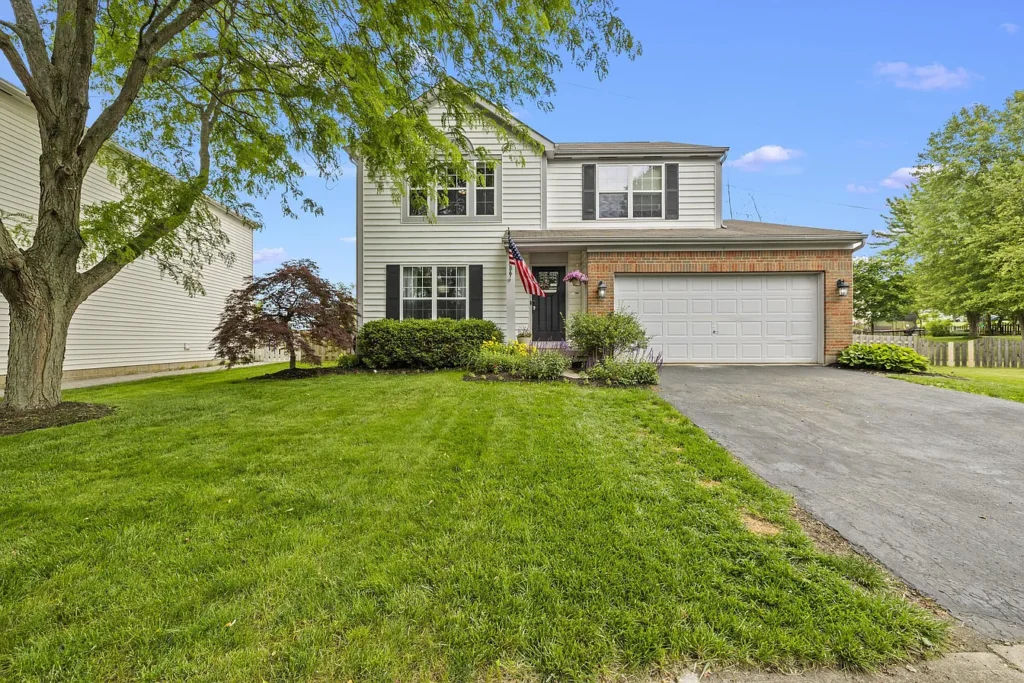
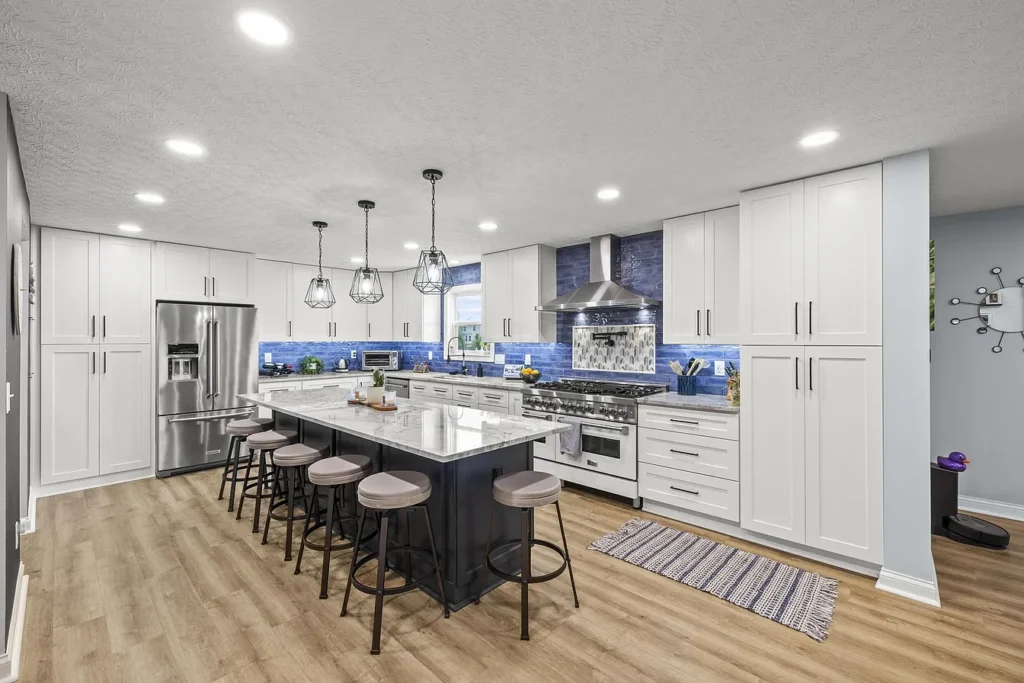
The truth is, our homestead started on 0.34 acres in suburban Columbus. We lived in an HOA with neighbors close enough that you knew when someone was grilling burgers. I was and still am working in technology, Nicole was busy raising our girls, and we weren’t trying to escape suburban life. We certainly weren’t looking for fifteen acres. We were simply raising a family and assumed we’d do it in the house we already had. In fact, just months before we sold that house, we spent a small fortune remodeling the kitchen because we fully expected to grow old there. It was Nicole’s dream kitchen, and we thought we’d enjoy it for decades. If you’d asked us then where we’d be a few years later, living on a homestead wouldn’t have even crossed our minds.
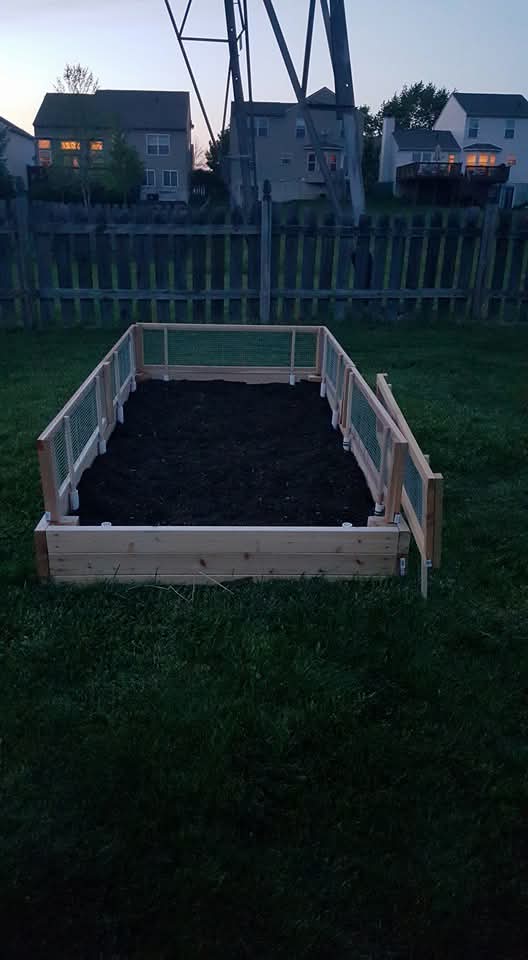
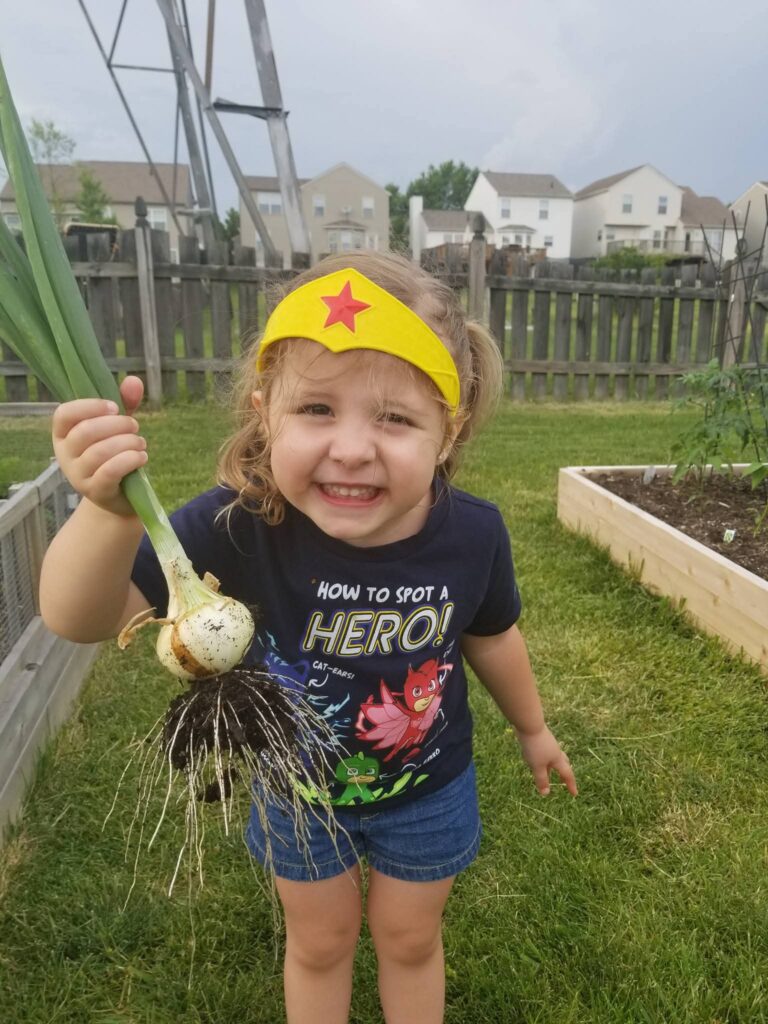
Funny enough, I can trace it all back to a little strawberry plant. One of our daughters came home from Girl Scouts carrying it, and Nicole asked if I’d build a raised bed. I grabbed some lumber, screwed together a simple box, filled it with dirt, and figured we’d see what happened. At the time, Nicole would have been the first person to tell you she had a black thumb. Houseplants had never exactly flourished under our roof, so neither of us expected much from that little plant.
We were wrong. The strawberry plant grew, and the next spring we planted more. Before long, Nicole had enough strawberries to make jam from berries we’d grown ourselves. That first batch disappeared almost as fast as she made it, and I was back at the lumber yard buying more boards. One raised bed became two. Two became three. Pretty soon we were growing tomatoes, peppers, cucumbers, onions, lettuce, green beans, zucchini, peas, watermelon, cantaloupe, and enough failed broccoli and Brussels sprouts to remind us that gardening has a way of keeping your ego in check.
The garden was always Nicole’s project. She decided what to plant, and I built whatever she dreamed up next. Every spring I’d convince myself we had enough raised beds, and every summer we’d somehow find room for another one. We weren’t chasing self-sufficiency or trying to make a statement. Fresh food simply tasted better, and every season gave us the confidence to try something we hadn’t grown before.
Somewhere along the way, the woman who joked about having a black thumb became the gardener in the family. Strawberry jam turned into canned vegetables, and the freeze dryer eventually ran almost as often as the oven. Watching Nicole’s confidence grow right alongside those gardens may have been my favorite part of the whole experience.
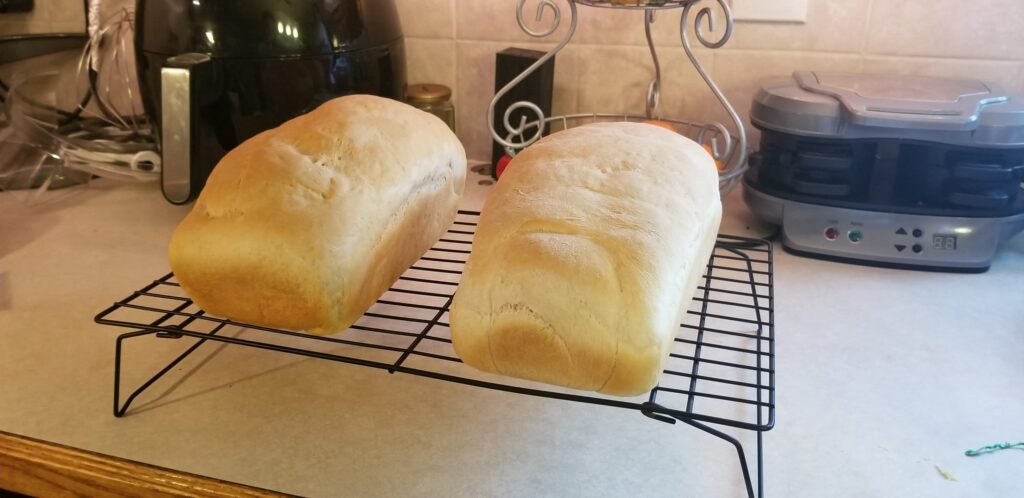
My curiosity wandered in a different direction. I’d always enjoyed homemade bread, and after baking a few loaves I started wondering if I could make them better. That question led me to flour, flour led me to wheat berries, and before long there was a grain mill sitting on our kitchen counter. I started learning about ancient grains like einkorn and emmer, and there was something fascinating about taking ingredients that had changed very little over thousands of years and turning them into bread our family would eat that evening.
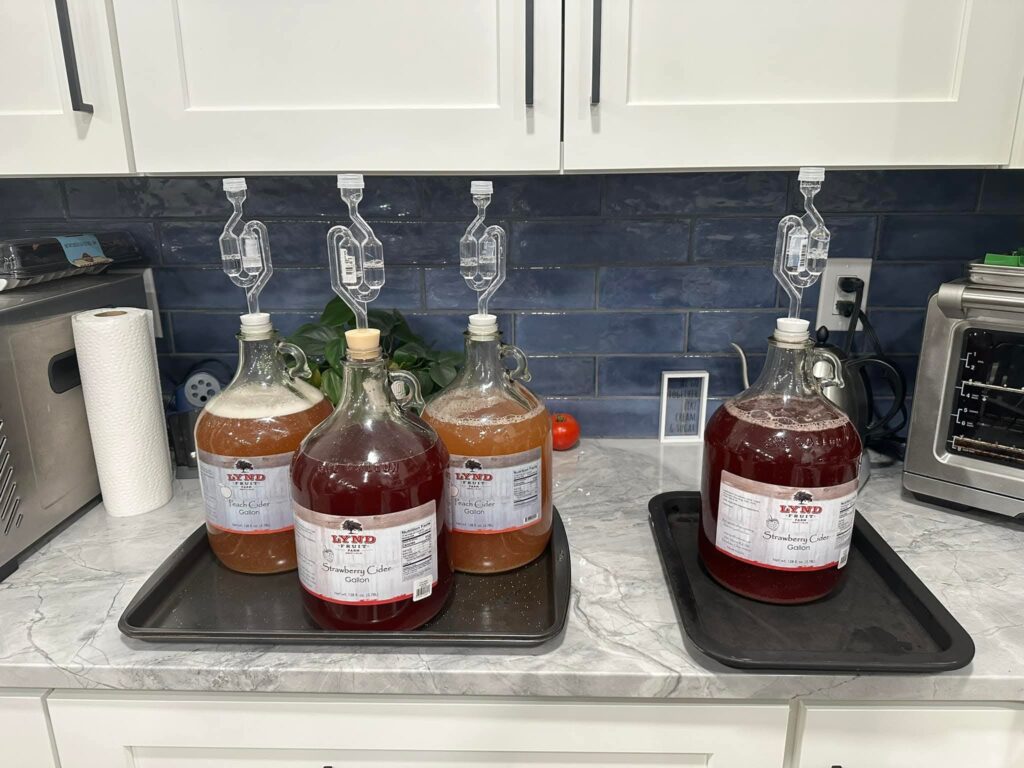
That naturally led me into fermentation. I started making mead and fruit wines, buying honey from a local beekeeper and keeping a carboy quietly bubbling away on the kitchen counter. If you had stopped by our house during those years, you probably would have found Nicole outside tending the garden while I was brushing flour off the counter or checking on another batch of mead. None of it felt unusual because it all happened a little at a time.
About then, the grocery store started changing too. Not in dramatic ways, at least not where we lived. Most weeks you could still buy what you needed, but maybe your usual pasta wasn’t there. The next week it was flour. Then peanut butter. The shelves weren’t always empty, but they weren’t always predictable either, and after enough trips like that we found ourselves asking a question we’d never really thought much about before: Where did our food actually come from? Not the grocery store, but before that.
I spend my career trying to understand complicated systems, and somewhere along the way I realized I’d never thought about the food supply as one. How many farms, trucks, warehouses, distribution centers, and people were involved before a loaf of bread ended up in our shopping cart? Once I started pulling on that thread, it was hard to stop.
Those questions spread well beyond bread. We started wondering where our chicken came from, how pigs were raised, and who produced the beef we bought every week. We weren’t looking for a different lifestyle. We simply wanted to understand the journey our food had taken before it reached our dinner table. At the time, it felt like simple curiosity. Looking back now, I realize those questions quietly changed the direction of our lives, even though we didn’t know it yet.
Next time, I’ll tell you how those questions led me to spend more than a thousand dollars with a company I’d never heard of and why I found myself standing in the parking lot of a closed Tee Jaye’s wondering if I’d just made a very expensive mistake.
You know those stories where someone walks into an old farmhouse, sunlight shines perfectly through the windows, and they immediately know they found the place they were meant to be?
That was not exactly our story.
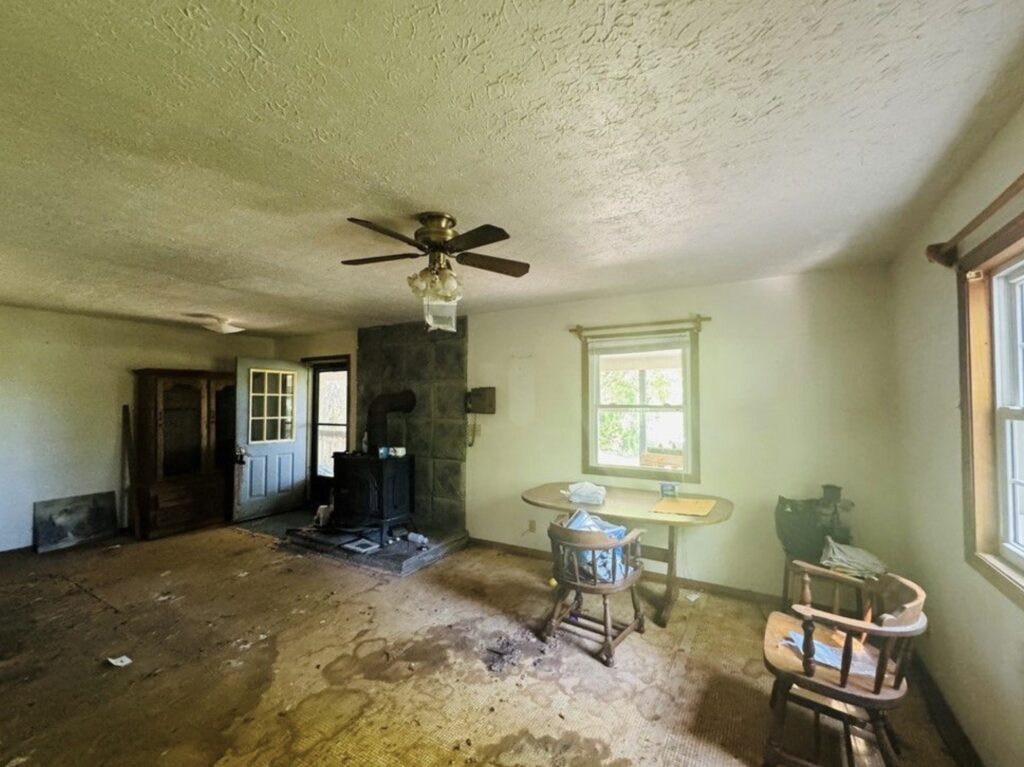
The first thing that hit us when we opened the door was the smell. Mold and mildew. Not exactly the candle scent you hope for when touring your future home.
Screenshot
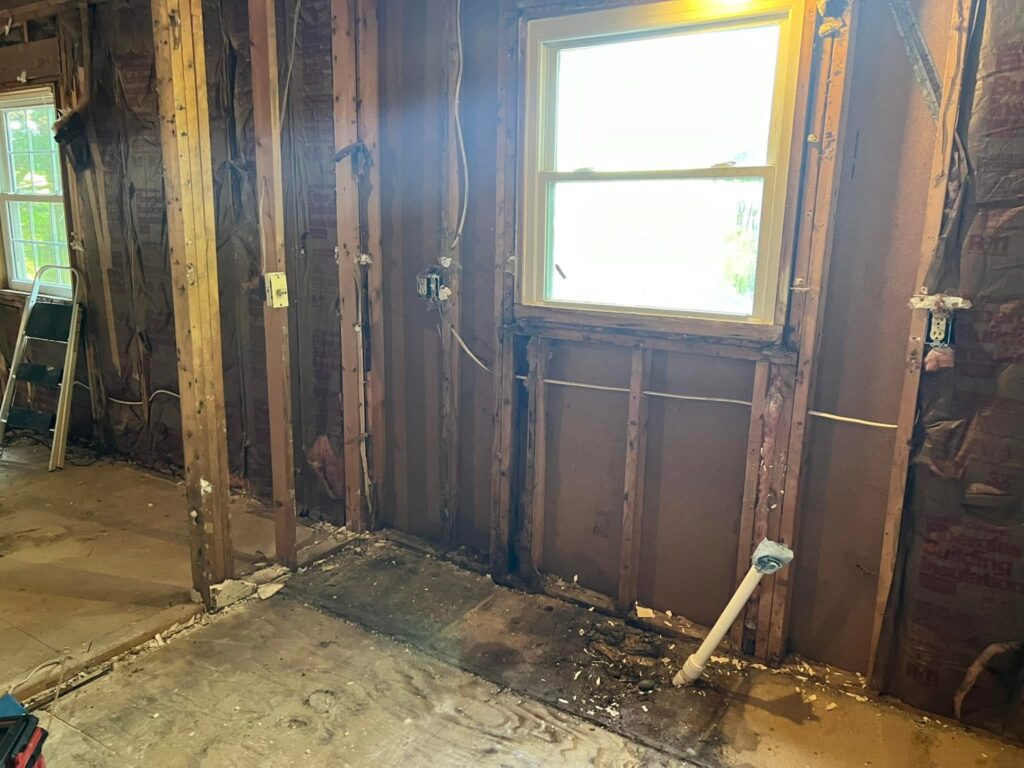
The farther we walked, the more interesting it got. There was manure in the basement. The stairs were so steep they felt like they were designed by someone who owned mountain climbing equipment. The kitchen floor had enough rot that it came with an unexpected basement viewing window. Then there was probably my favorite design choice, a steel door that opened directly into the electrical panel.
I’m still trying to figure out who installed that, opened the door for the first time, watched it smack the panel, and thought, “Yep, good enough.”
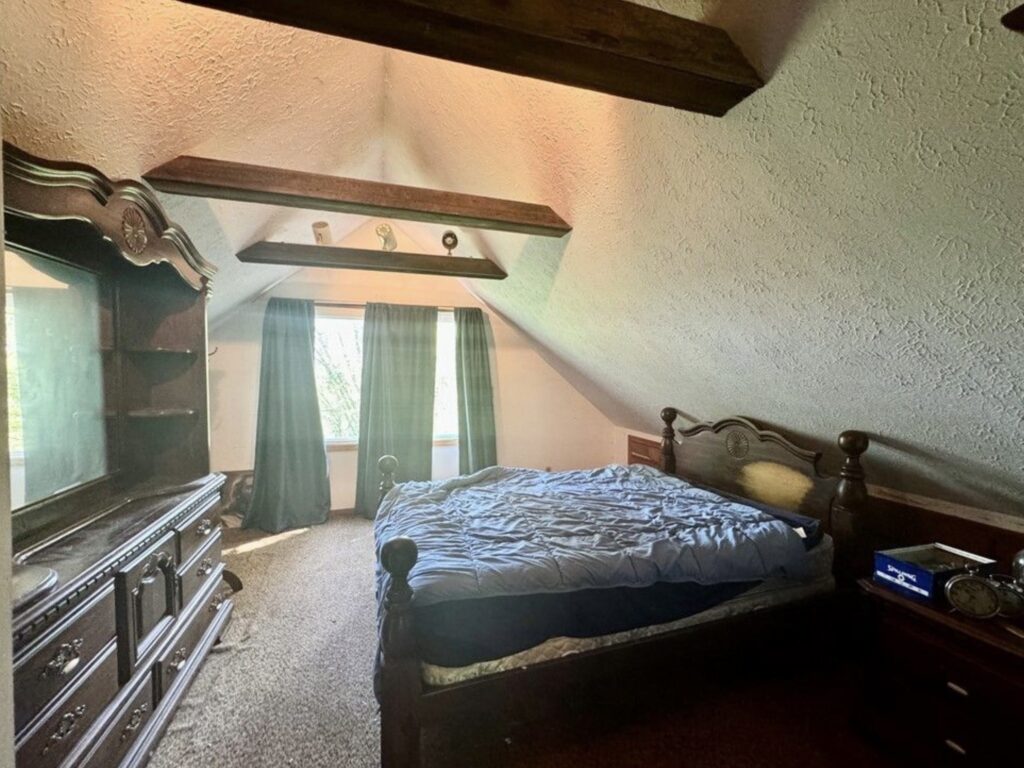
We walked around, laughed, and honestly thought this place was crazy. The bedrooms were tiny. A four-bedroom house sounds impressive until you realize some of those rooms weren’t much bigger than a closet. Fitting a queen bed wasn’t happening. A twin bed was questionable. Everything about the house was telling us to get back in the truck and keep looking.
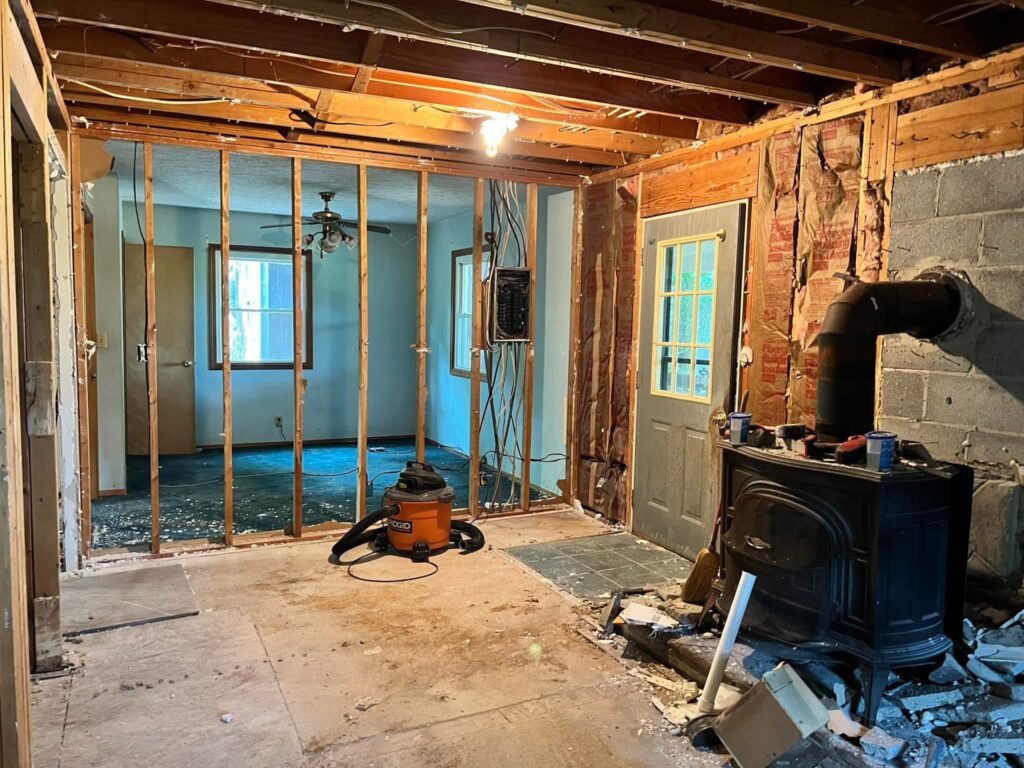
The problem was we couldn’t stop looking out the windows. There was something about the view, the fields, the trees, and the space. We would point out another problem with the house, then five minutes later catch ourselves talking about what we could do with the land. “That wall could come down.” “Maybe we could change this layout.” “Do we really need four bedrooms?” Somehow this house that made absolutely no sense kept finding its way back into the conversation.
I think that was probably the first lesson this place taught us, even though we didn’t realize it at the time. We had spent years looking at houses the way most people do. Square footage, bedroom counts, updates, finishes, and all the normal things you compare when buying a home. This place forced us to think differently. How much house did we actually need? If the whole reason we wanted this change was to spend more time outside, did it really matter that the house didn’t check every box?
The woods, pasture, garden, animals, and projects became part of the home too. It sounds strange, but all the things missing from the listing photos ended up being the things we cared about most. We didn’t need perfect countertops. We needed a place where our family could build something together.
Screenshot
The funny thing is this wasn’t even the property we were supposed to end up on. We had bought five acres with plans to build. That was the plan, and like many plans, life had other ideas. During that process, another opportunity had us looking around, and that was when we stumbled across this place. Fifteen acres, a well, septic, and a house that looked like it was waiting to see if someone was stubborn enough to give it another chance.
Turns out we were.
So we bought the house most people probably would have walked away from, which looking back seems pretty fitting. The property needed someone willing to learn, and we definitely had a lot of learning ahead of us.
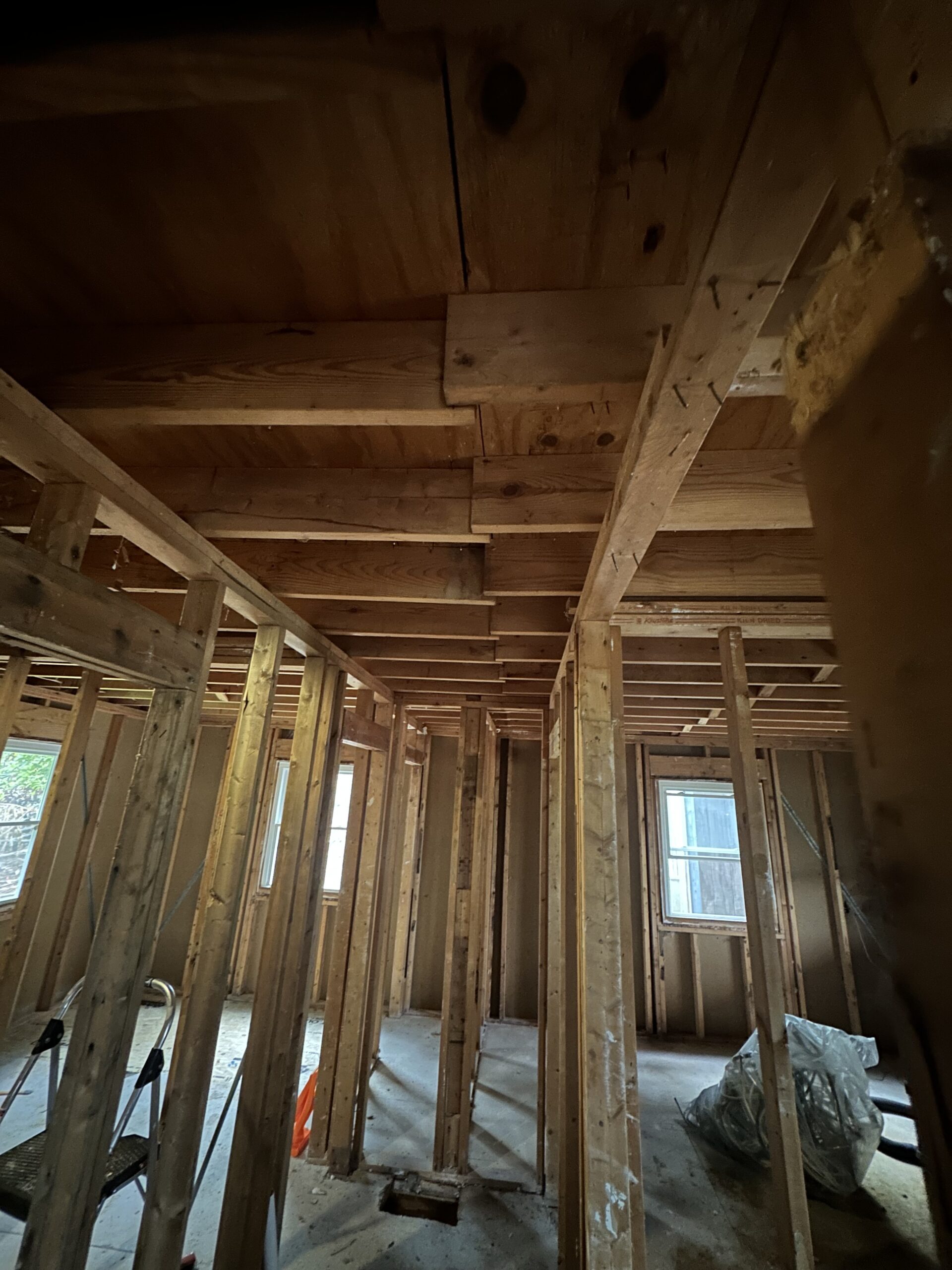
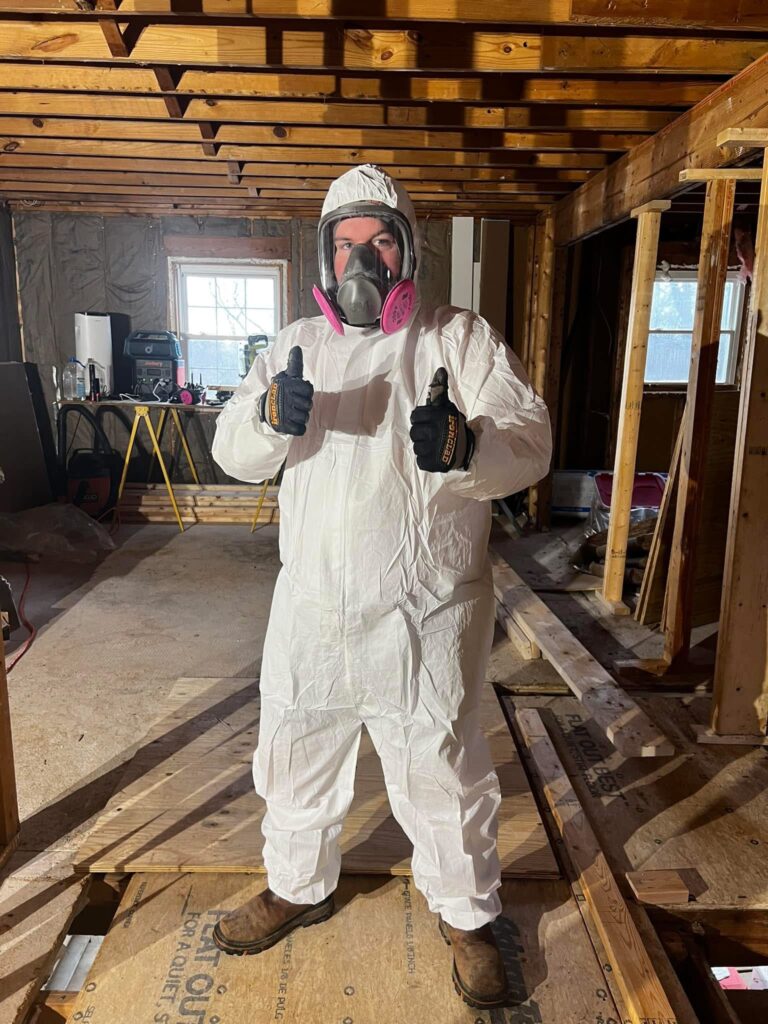
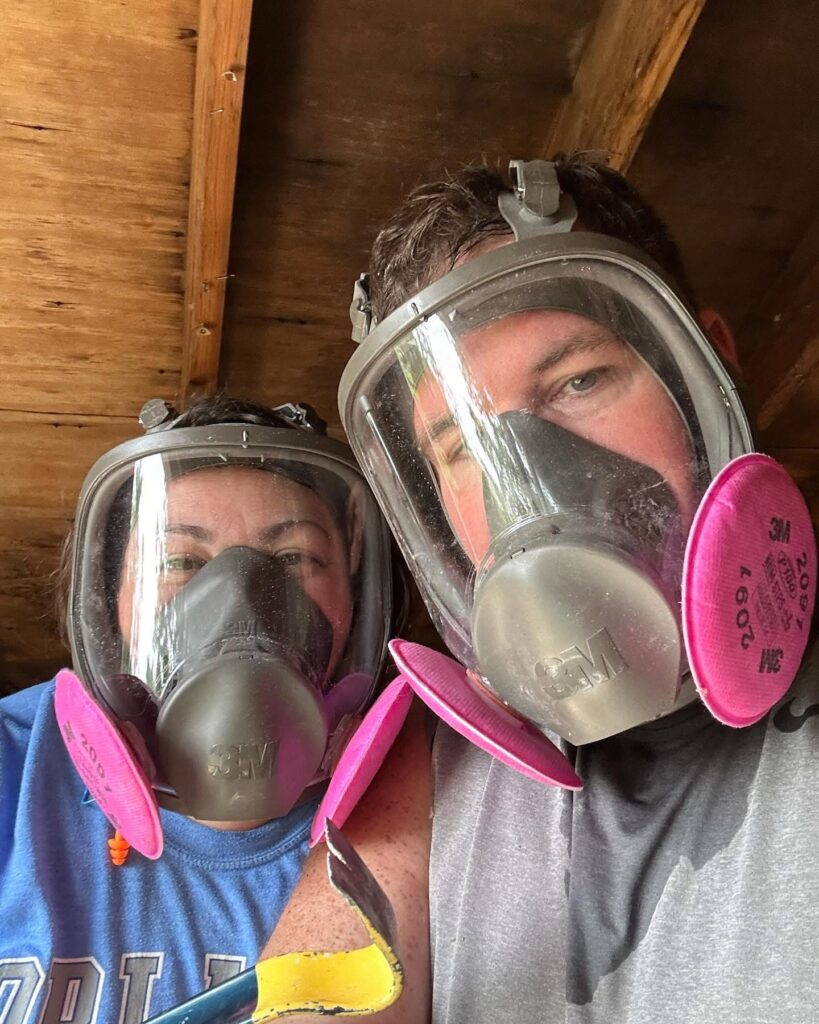
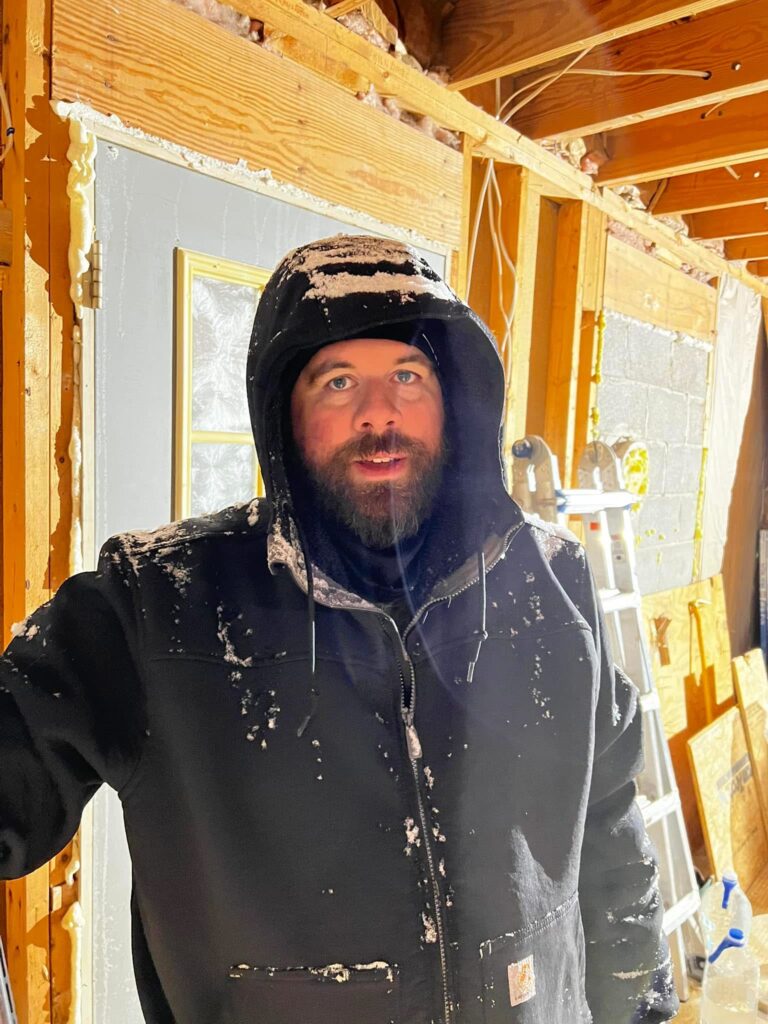
Our first night here was proof that this was going to be different from anything we had done before. We didn’t sleep in the house, not because we hadn’t unpacked yet, but because we couldn’t. The house wasn’t ready for a family. Between the mold, repairs, and everything else that needed attention, we had a lot of work ahead of us before it became our home.
So the camper became home base.
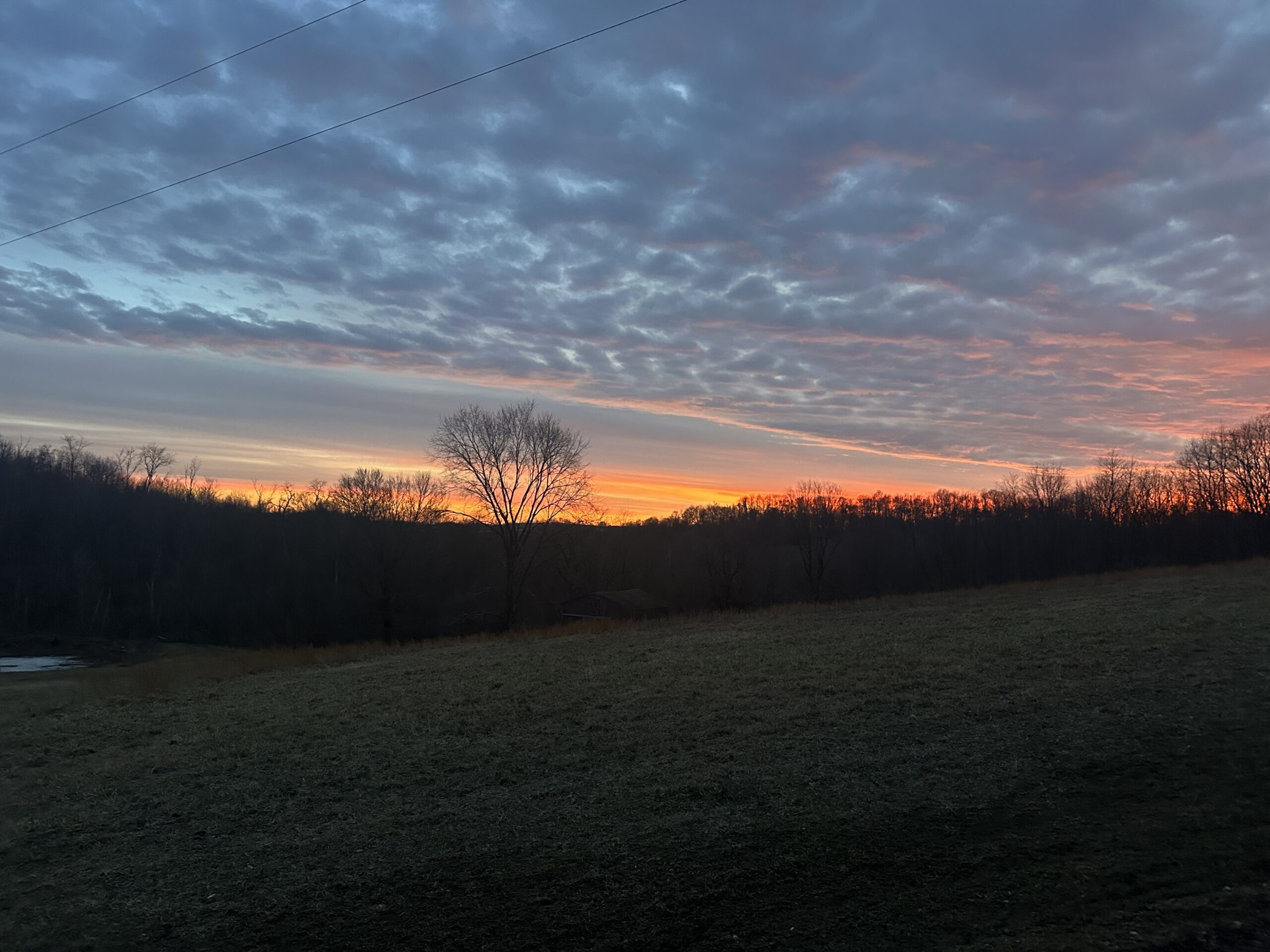
We parked outside the house we had just bought, fired up the generator because we didn’t have electric available to the camper yet, and settled in for the night. When the sun went down, we learned something else about our new place. Dark means something different out here. When you’re used to neighborhoods, there is always some kind of light. Streetlights, porch lights, cars driving by, something. Out here when everything shuts off, it gets dark in a way we weren’t used to.
The house wouldn’t officially become our home until January 2025. Until then, it was months of tearing things apart, fixing problems, changing layouts, and slowly turning this place into somewhere our family could actually live.
Before JW Homestead, we lived on 0.34 acres in a nice neighborhood. And it really was a nice neighborhood. We had a good home, and we had good people around us. This isn’t a story about running away from something terrible. It was a good place, but over time we started noticing something was missing.
There were 188 homes in that community. We lived there for more than 10 years and when we left, we truly knew one family. One. We were surrounded by people every day but somehow weren’t really connected. People lived feet apart, but conversations were often about things like HOA rules and grass clippings being left on sidewalks.
Moving to the country, we expected fewer people. What surprised us was finding more connection. We know more neighbors now than we did living in a neighborhood full of houses. We stop and talk. We wave at everyone going down the road, whether we know them or not. We catch ourselves doing it when we go back toward the city and occasionally get that confused look of “why is this random person waving at me?”
I started pushing the idea of a homestead because I wanted something different for our family. Self-reliance was a big part of it. We wanted to know where our food came from and wanted our kids to understand the work behind the things we often take for granted.
The funny part is my career is about as opposite as you can get. I spend my days working in technology. Artificial intelligence, enterprise architecture, automation, and helping solve problems with some of the newest tools available. I love technology, and this journey was never about saying modern life is bad.
If anything, the contrast has become one of my favorite parts. One minute I can be having conversations about where artificial intelligence is going. Later that same day I might be talking with my Amish neighbor Allen about the weather, animals, farming, or whatever project one of us has gotten ourselves into.
Allen is Old Order Amish, so our lives look very different. No rubber tires. Horses instead of trucks. Hay and alfalfa instead of gasoline. On paper, we probably shouldn’t have much in common. In reality, we have plenty. We are husbands. We are fathers. We care about our families, our communities, and the land around us.
One of the first big moments with Allen actually didn’t start with us needing help. It started with him needing help. Storms were coming, and anyone who has ever dealt with hay knows rain changes everything. There is a window to get it done, and if you miss that window, you have a problem.
Allen called and asked if I could help get men from other farms over to his place so they could finish putting hay away before the weather moved in. So there I was, loading a bunch of Amish guys into my car and becoming probably the least official transportation service in Jefferson County. They worked late into the night, and around 11 PM I loaded everyone back up and took them home.
It wasn’t some grand event. It was just what neighbors do. Someone had a problem, someone else had the ability to help, and you figured it out.
Later, when our well problems started, that same relationship came full circle. The path to our well wasn’t much of a path anymore. It was about 150 yards of thick brush and trees that had completely taken over. I was looking at a project that probably would have eaten several weekends and involved plenty of frustration, bug bites, and questioning my life choices.
Allen and his community showed up and cleared an eight-foot-wide path all the way back to the well in about two hours. Two hours. I think it took me longer just to stare at the mess and come up with a plan.
That was probably when my definition of self-reliance started changing. Before moving here, it’s easy to think self-reliance means doing everything yourself. What this place has shown us is almost the opposite. It’s about having skills, building relationships, and creating a community where people show up for each other.
The biggest changes though weren’t to the house or the property. They were happening to us.
On the first day, our youngest daughter cried because she just wanted to go home. That is a tough thing to hear when you just moved your family into an adventure you convinced yourself was a good idea.
Today she might love this place more than anyone.
Somewhere between collecting eggs, raising animals, running around outside, and realizing this place was hers too, things changed. The animals, the responsibility, and watching things grow changed all of us. There is something different about eating food you invested time and effort into.
One of those moments came when we harvested our first chickens. Before this journey, we weren’t farmers. We didn’t grow up doing this. We were learning as we went, and this was probably one of the biggest tests.
We had friends in Wisconsin ready by the phone in case things went sideways. They had done this before, and sometimes just knowing someone experienced is a phone call away makes jumping into something new a little less intimidating.
But everyone stepped up and everyone had a job. I culled the chickens. Myrna ran the plucker. Nicole eviscerated. Kiera bagged the finished product.
Later, when we sat down and ate the chicken we raised ourselves, there wasn’t some huge emotional speech or movie moment. Mostly there was laughter because it tasted amazing, and because I think we were all a little surprised.
A few months earlier we were a family living in a neighborhood on a third of an acre. Now everyone had a role in putting food on our own table. Not because we had decades of farming experience or because we had everything figured out, but because we were willing to learn.
That is around the time the name JW Homestead started to mean something different to us. The name itself comes from our family. Nicole, myself, Ryley, Kiera, and Myrna all have initials ending in JW. At first it was just a name for this place we bought. Over time it became a pretty good description of what we were building together.
And believe me, we are still building.
The project list hasn’t gotten smaller. If anything, owning 15 acres means discovering new projects you didn’t even know existed. There is always another fence to fix, another tree to clean up, another animal project, another repair, and another moment where you find yourself standing there saying, “Well, I guess we’re learning how to do this now.”
We came here thinking we were buying land. We thought we were taking on a house that needed repairs, some overgrown acreage, and a long list of projects.
A while back I read a book recommended by my sister called The Comfort Crisis by Michael Easter, and it stuck with me. Not because it convinced us to change everything overnight, but because it put words around something we were already starting to notice.
Before moving out here, life was good. Honestly, it still is. I have the same career today that I had before we started this journey, and I’m thankful for it. We weren’t running away from anything, trying to disappear into the woods, or looking to reject the modern world. We had a good home, a family, and all the conveniences that generations before us worked hard to create.
But there was a pattern we started to notice.
After work was done and dinner was made, the evenings became pretty predictable. Sit down on the couch, turn something on, and relax. Maybe it was Netflix. Maybe it was YouTube. Maybe it was scrolling through our phones. Maybe it was walking into the kitchen looking for something to snack on, not because we were actually hungry, but because it was there.
There was nothing wrong with any of those things. We still watch shows. We still use technology. We still enjoy all the benefits of living in 2026. But somewhere along the way, we realized a lot of our free time was spent consuming things instead of creating, learning, or doing.
Then we moved onto 15 acres.
Anyone who owns land or animals probably knows what happened next. The land did not care about our old routine.
The animals needed fed whether we felt like going outside or not. The Gallagher electric fence netting needed moved whether it was convenient or not. Projects needed finished, problems needed solved, and more than once we found ourselves standing outside saying, “Well, how are we going to figure this one out?”
The funny thing is, those moments that sounded inconvenient ended up becoming some of the most rewarding parts.
When we first started, a lot of things were new to us. We didn’t grow up doing all of this. We made mistakes, learned lessons the hard way, watched videos, asked questions, and slowly figured things out one project at a time.
Some evenings that used to be spent watching someone else build something, became evenings where we were the ones trying to build something. Some weekends that used to disappear became weekends where we could point at a finished project, laugh about everything that went wrong along the way, and say, “Well, somehow that actually worked.”
Somewhere along the way, we started changing too.
Not overnight, and not because country living has some magical secret. It doesn’t. There are plenty of frustrating days, muddy days, exhausting days, and days where an animal decides to remind you that you are definitely not in charge.
But our normal changed.
Movement wasn’t something we had to schedule anymore. It was just part of life. Walking the property, carrying feed, hauling water, working outside, building, repairing, and taking care of animals became normal.
Over time, those little changes added up. We became healthier. We became stronger. In our case, we even reached a point where medications we thought might always be part of our lives were no longer needed.
That doesn’t happen for everyone, and everyone’s story is different. But for us, changing our environment slowly changed the little decisions we made every day.
The funny part is we still enjoy all the comforts we had before. The TV is still there. The phones still work. Amazon still manages to find our driveway (but via UPS). After a hot August day moving fence or working outside, I promise you the air conditioning feels pretty amazing.
The difference is what happens before that.
A quiet evening on the couch feels a little different after you spent the day outside. A meal tastes a little different when you remember carrying feed bags, breaking ice in the winter, or laughing because the animals once again did something you never expected.
I think about Coconut and Reese, our first pigs, quite a bit with this.
For almost two years they were part of our daily routine. Rain, snow, busy work schedules, it didn’t matter. There was always something that needed done. At times it was inconvenient. Sometimes very inconvenient.
But now there is bacon in the freezer that has an entire story attached to it. A story about bringing them home. Learning as we went. Watching them enjoy fresh grass, sunshine, and a good life. Wondering if we were doing things right. Realizing that two little pigs had quietly become part of almost every day for nearly two years.
And maybe that’s the biggest change since we started. We still consume things. We still watch shows. We still enjoy modern life. The family just spend a lot more time creating the stories we’ll talk about later.