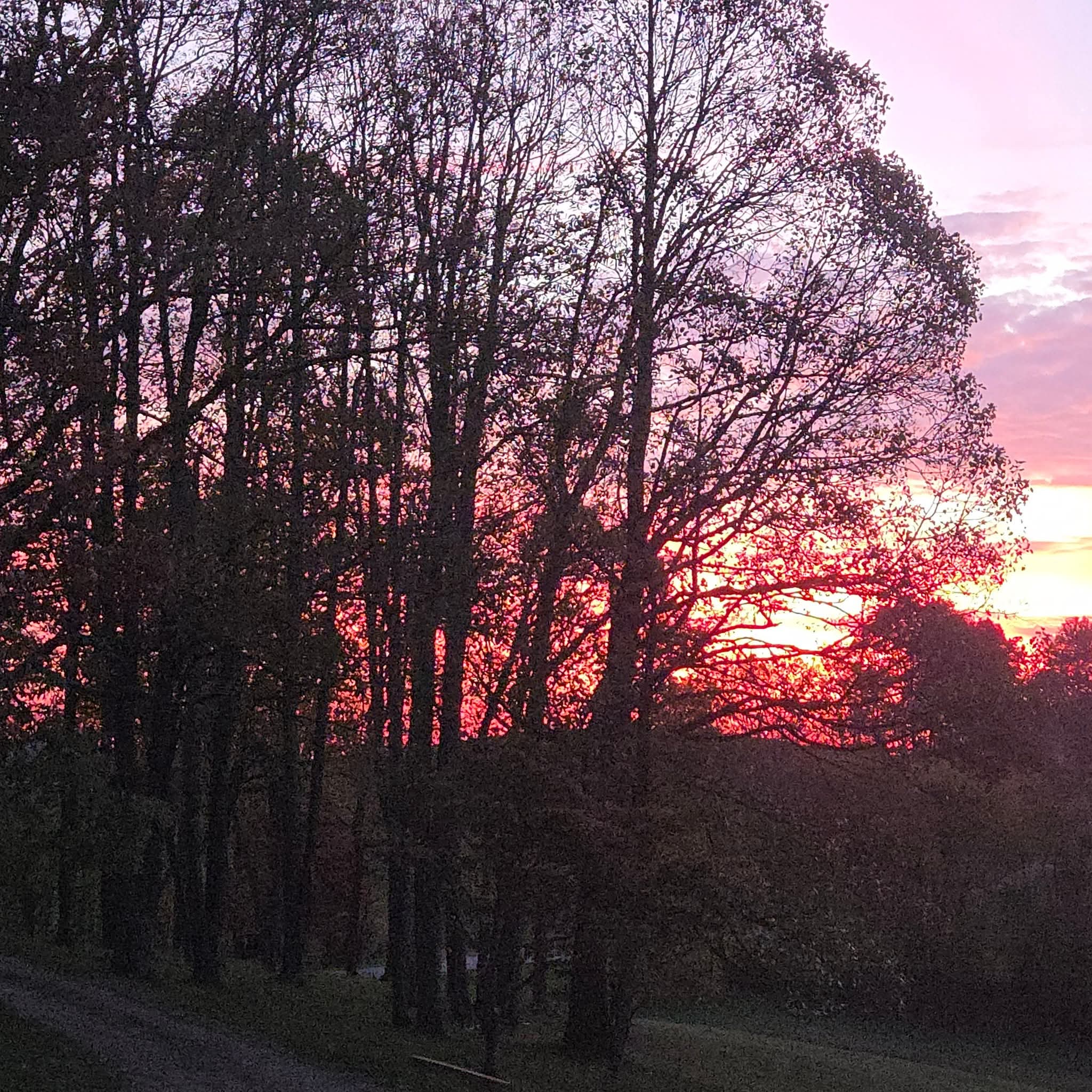
People ask us all the time when JW Homestead started. Usually they’re standing out in the pasture or looking down into the woods when they ask. From where they’re standing, it seems obvious. Fifteen acres, animals, and a spring winding through the property. Surely this is where it all began. I usually smile because, in my mind anyway, they’re standing about five years too late.

The truth is, our homestead started on 0.34 acres in suburban Columbus. We lived in an HOA with neighbors close enough that you knew when someone was grilling burgers. I was and still am working in technology, Nicole was busy raising our girls, and we weren’t trying to escape suburban life. We certainly weren’t looking for fifteen acres. We were simply raising a family and assumed we’d do it in the house we already had. In fact, just months before we sold that house, we spent a small fortune remodeling the kitchen because we fully expected to grow old there. It was Nicole’s dream kitchen, and we thought we’d enjoy it for decades. If you’d asked us then where we’d be a few years later, living on a homestead wouldn’t have even crossed our minds.

Funny enough, I can trace it all back to a little strawberry plant. One of our daughters came home from Girl Scouts carrying it, and Nicole asked if I’d build a raised bed. I grabbed some lumber, screwed together a simple box, filled it with dirt, and figured we’d see what happened. At the time, Nicole would have been the first person to tell you she had a black thumb. Houseplants had never exactly flourished under our roof, so neither of us expected much from that little plant.
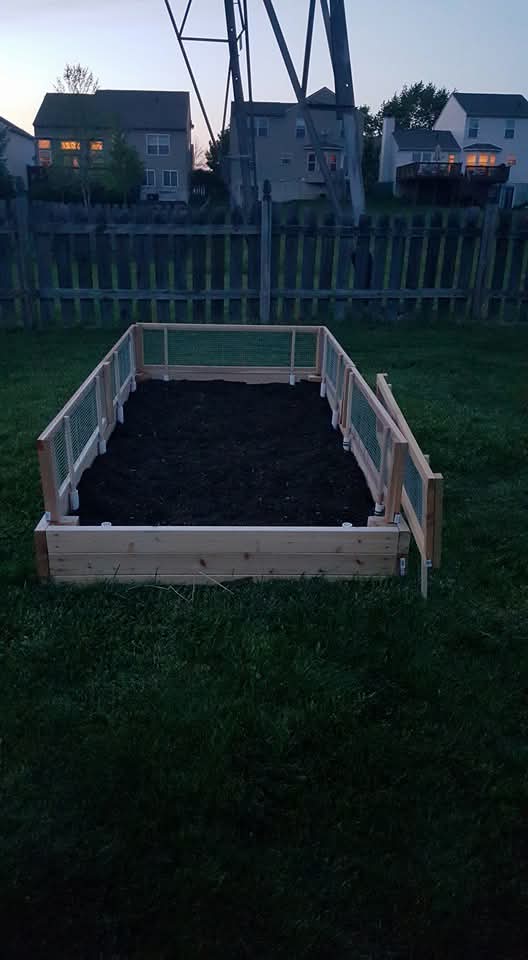
We were wrong. The strawberry plant grew, and the next spring we planted more. Before long, Nicole had enough strawberries to make jam from berries we’d grown ourselves. That first batch disappeared almost as fast as she made it, and I was back at the lumber yard buying more boards. One raised bed became two. Two became three. Pretty soon we were growing tomatoes, peppers, cucumbers, onions, lettuce, green beans, zucchini, peas, watermelon, cantaloupe, and enough failed broccoli and Brussels sprouts to remind us that gardening has a way of keeping your ego in check.
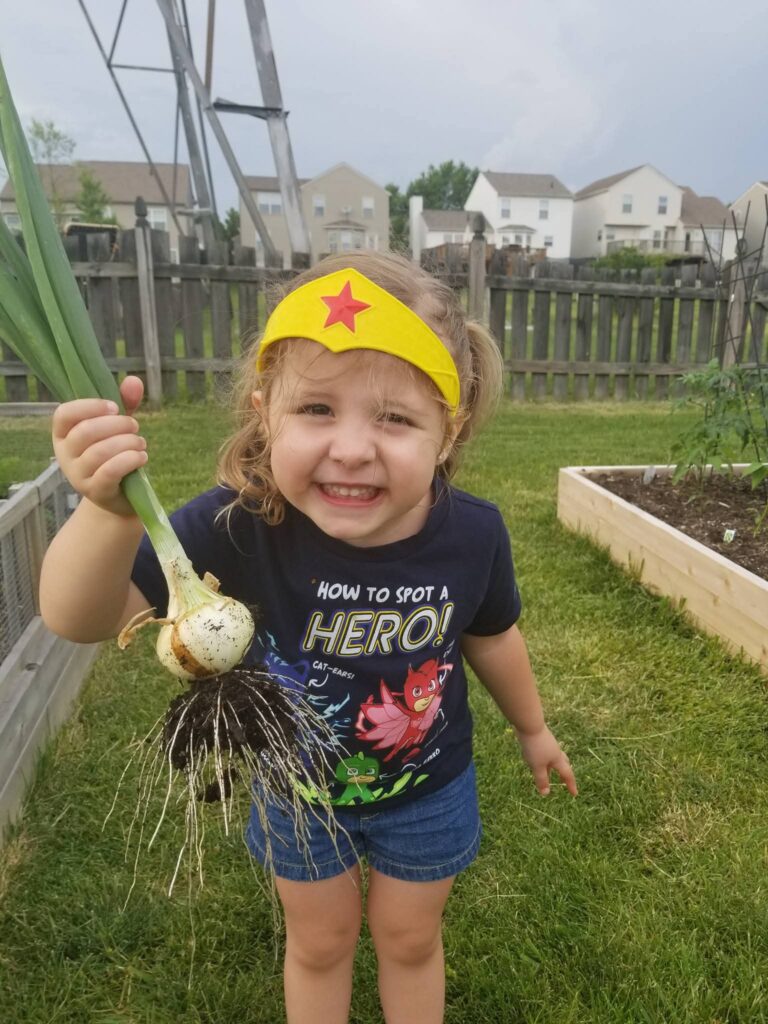
The garden was always Nicole’s project. She decided what to plant, and I built whatever she dreamed up next. Every spring I’d convince myself we had enough raised beds, and every summer we’d somehow find room for another one. We weren’t chasing self-sufficiency or trying to make a statement. Fresh food simply tasted better, and every season gave us the confidence to try something we hadn’t grown before.
Somewhere along the way, the woman who joked about having a black thumb became the gardener in the family. Strawberry jam turned into canned vegetables, and the freeze dryer eventually ran almost as often as the oven. Watching Nicole’s confidence grow right alongside those gardens may have been my favorite part of the whole experience.
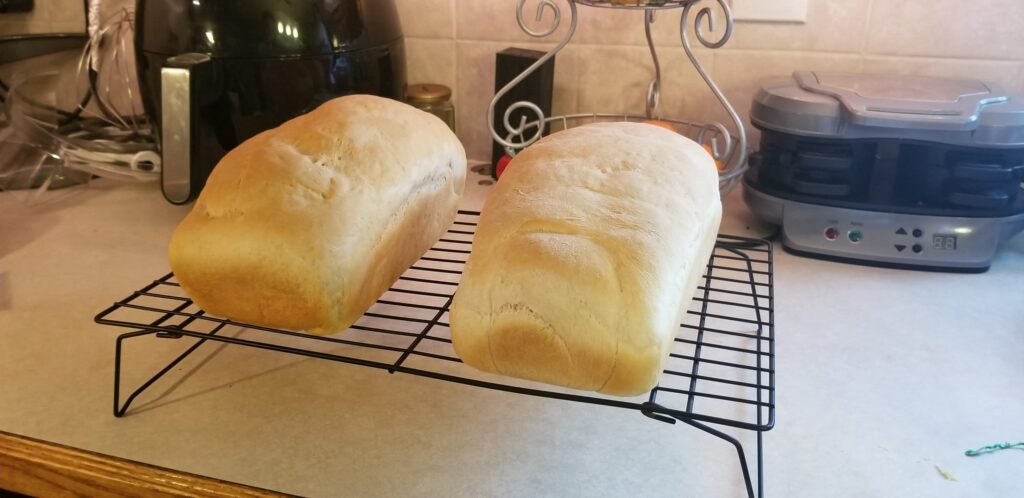
My curiosity wandered in a different direction. I’d always enjoyed homemade bread, and after baking a few loaves I started wondering if I could make them better. That question led me to flour, flour led me to wheat berries, and before long there was a grain mill sitting on our kitchen counter. I started learning about ancient grains like einkorn and emmer, and there was something fascinating about taking ingredients that had changed very little over thousands of years and turning them into bread our family would eat that evening.
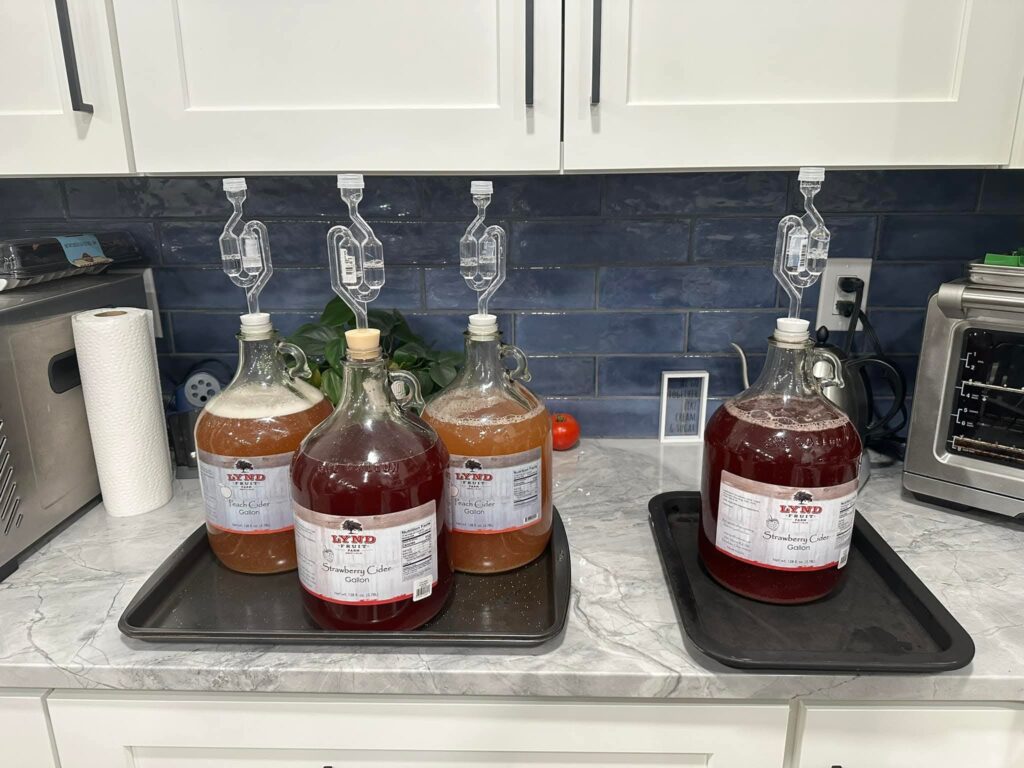
That naturally led me into fermentation. I started making mead and fruit wines, buying honey from a local beekeeper and keeping a carboy quietly bubbling away on the kitchen counter. If you had stopped by our house during those years, you probably would have found Nicole outside tending the garden while I was brushing flour off the counter or checking on another batch of mead. None of it felt unusual because it all happened a little at a time.
About then, the grocery store started changing too. Not in dramatic ways, at least not where we lived. Most weeks you could still buy what you needed, but maybe your usual pasta wasn’t there. The next week it was flour. Then peanut butter. The shelves weren’t always empty, but they weren’t always predictable either, and after enough trips like that we found ourselves asking a question we’d never really thought much about before: Where did our food actually come from? Not the grocery store, but before that.
I spend my career trying to understand complicated systems, and somewhere along the way I realized I’d never thought about the food supply as one. How many farms, trucks, warehouses, distribution centers, and people were involved before a loaf of bread ended up in our shopping cart? Once I started pulling on that thread, it was hard to stop.
Those questions spread well beyond bread. We started wondering where our chicken came from, how pigs were raised, and who produced the beef we bought every week. We weren’t looking for a different lifestyle. We simply wanted to understand the journey our food had taken before it reached our dinner table. At the time, it felt like simple curiosity. Looking back now, I realize those questions quietly changed the direction of our lives, even though we didn’t know it yet.
Next time, I’ll tell you how those questions led me to spend more than a thousand dollars with a company I’d never heard of and why I found myself standing in the parking lot of a closed Tee Jaye’s wondering if I’d just made a very expensive mistake.