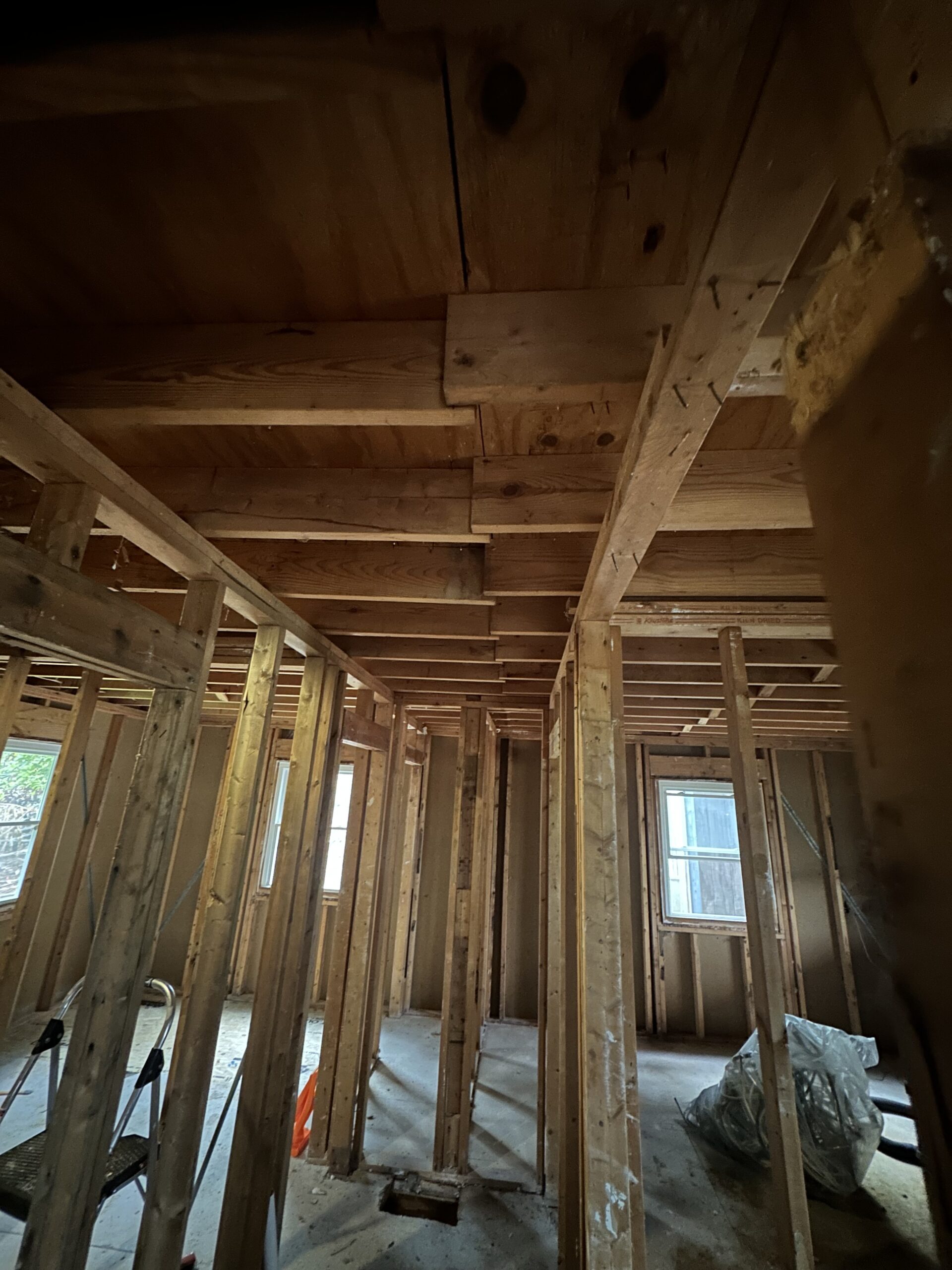
The House Needed Work. So Did We.
You know those stories where someone walks into an old farmhouse, sunlight shines perfectly through the windows, and they immediately know they found the place they were meant to be?
That was not exactly our story.
The first thing that hit us when we opened the door was the smell. Mold and mildew. Not exactly the candle scent you hope for when touring your future home.
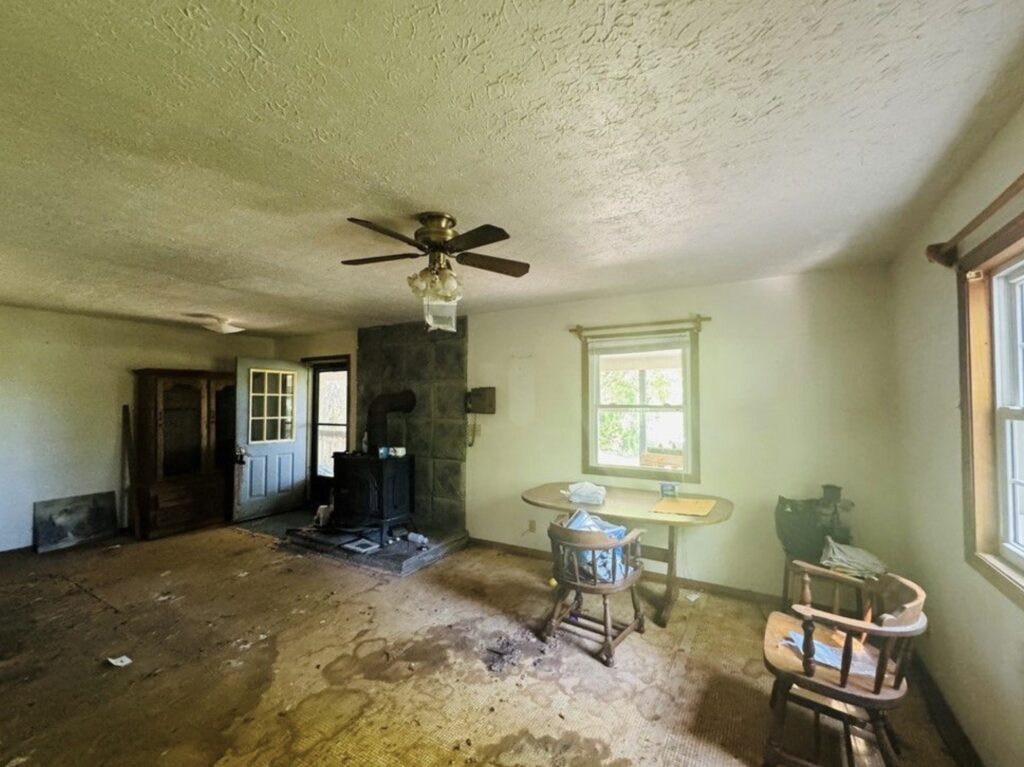
The farther we walked, the more interesting it got. There was manure in the basement. The stairs were so steep they felt like they were designed by someone who owned mountain climbing equipment. The kitchen floor had enough rot that it came with an unexpected basement viewing window. Then there was probably my favorite design choice, a steel door that opened directly into the electrical panel.
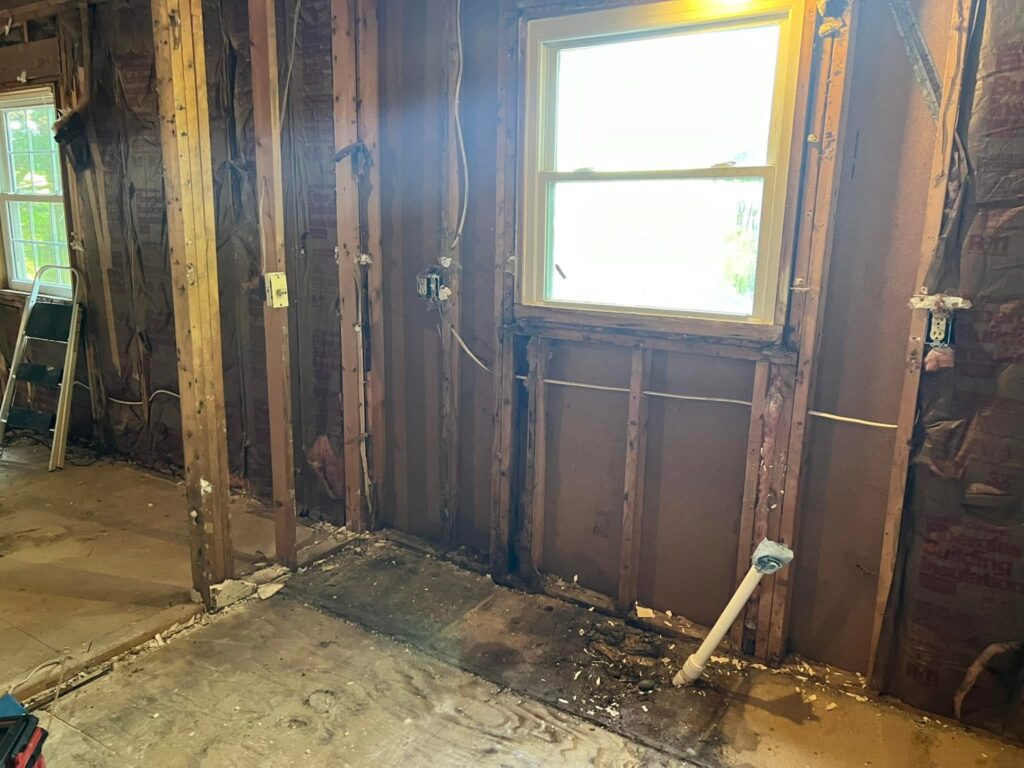
I’m still trying to figure out who installed that, opened the door for the first time, watched it smack the panel, and thought, “Yep, good enough.”
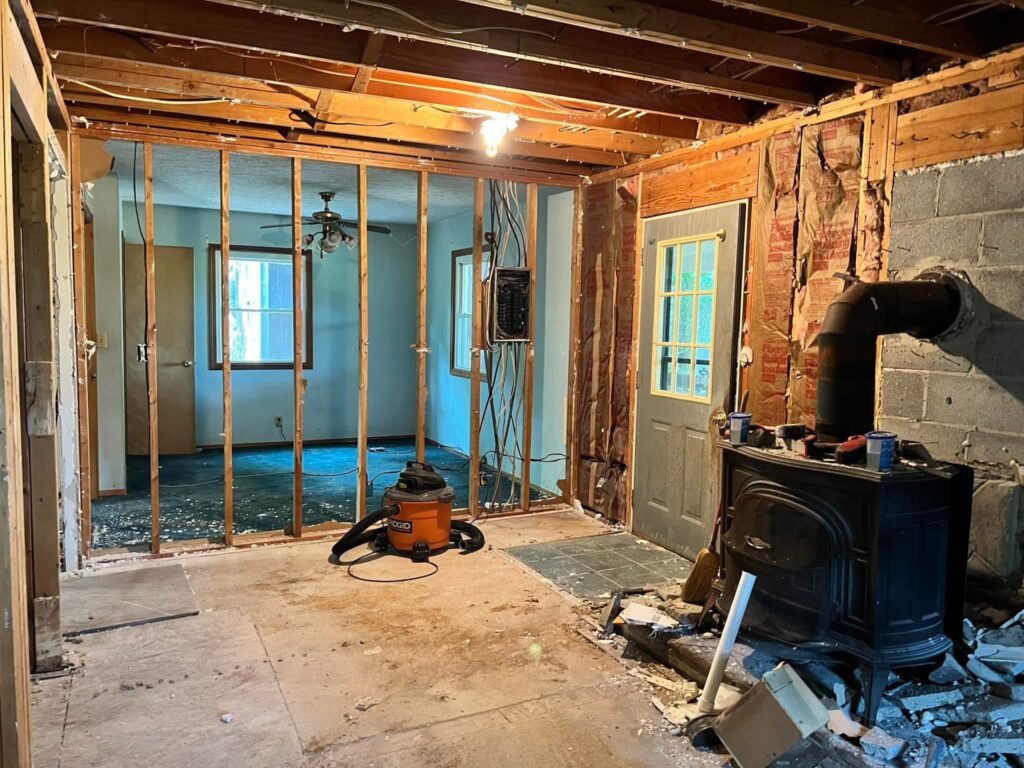
We walked around, laughed, and honestly thought this place was crazy. The bedrooms were tiny. A four-bedroom house sounds impressive until you realize some of those rooms weren’t much bigger than a closet. Fitting a queen bed wasn’t happening. A twin bed was questionable. Everything about the house was telling us to get back in the truck and keep looking.
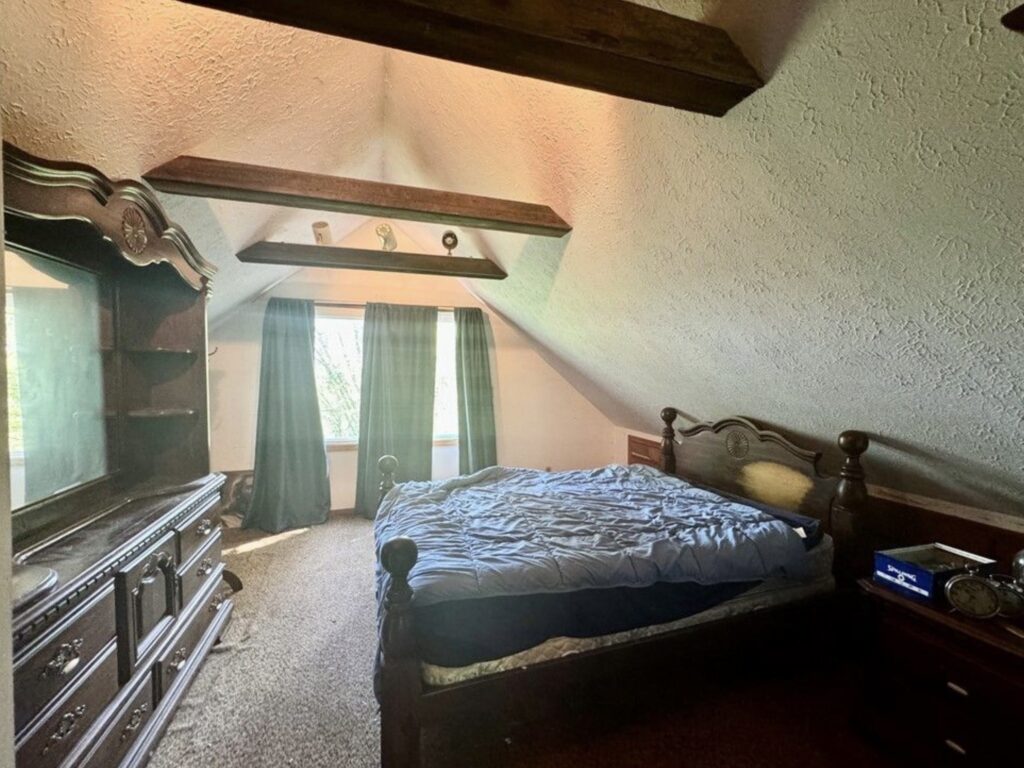
The problem was we couldn’t stop looking out the windows. There was something about the view, the fields, the trees, and the space. We would point out another problem with the house, then five minutes later catch ourselves talking about what we could do with the land. “That wall could come down.” “Maybe we could change this layout.” “Do we really need four bedrooms?” Somehow this house that made absolutely no sense kept finding its way back into the conversation.
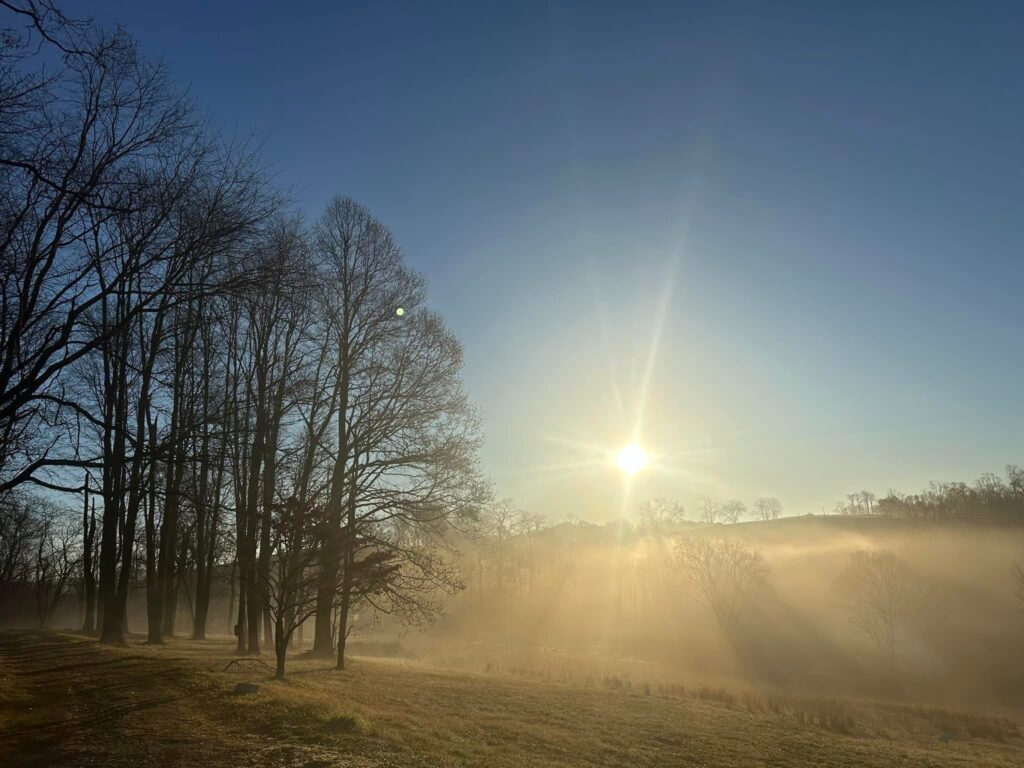
I think that was probably the first lesson this place taught us, even though we didn’t realize it at the time. We had spent years looking at houses the way most people do. Square footage, bedroom counts, updates, finishes, and all the normal things you compare when buying a home. This place forced us to think differently. How much house did we actually need? If the whole reason we wanted this change was to spend more time outside, did it really matter that the house didn’t check every box?
The woods, pasture, garden, animals, and projects became part of the home too. It sounds strange, but all the things missing from the listing photos ended up being the things we cared about most. We didn’t need perfect countertops. We needed a place where our family could build something together.
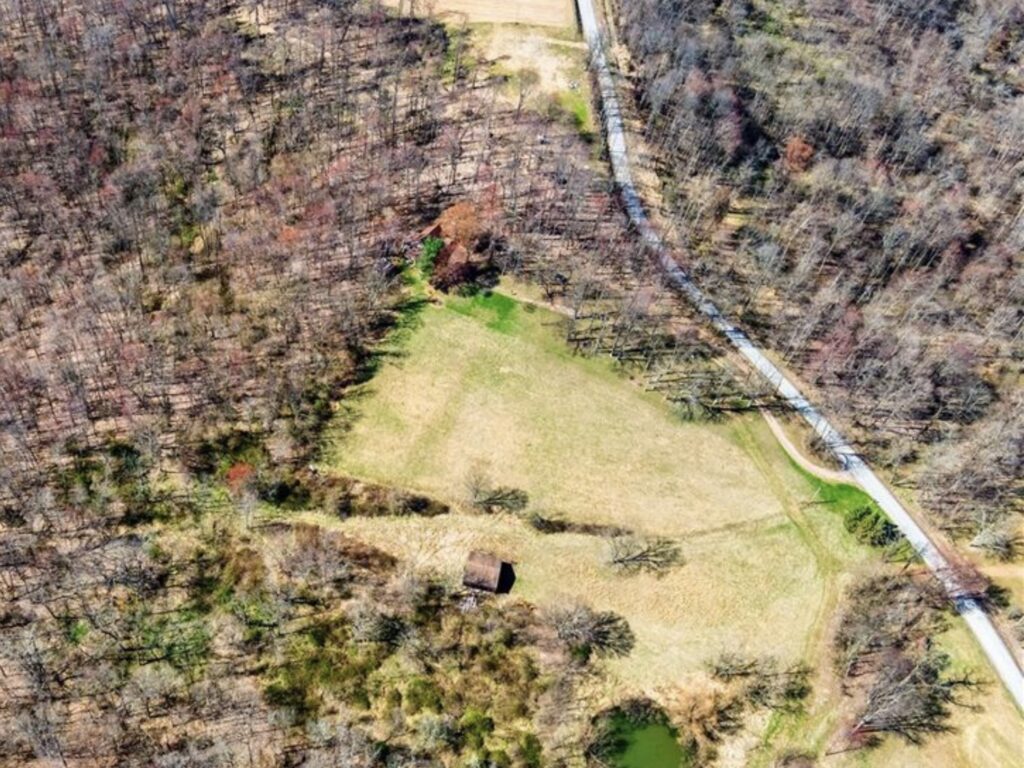
The funny thing is this wasn’t even the property we were supposed to end up on. We had bought five acres with plans to build. That was the plan, and like many plans, life had other ideas. During that process, another opportunity had us looking around, and that was when we stumbled across this place. Fifteen acres, a well, septic, and a house that looked like it was waiting to see if someone was stubborn enough to give it another chance.
Turns out we were.
So we bought the house most people probably would have walked away from, which looking back seems pretty fitting. The property needed someone willing to learn, and we definitely had a lot of learning ahead of us.
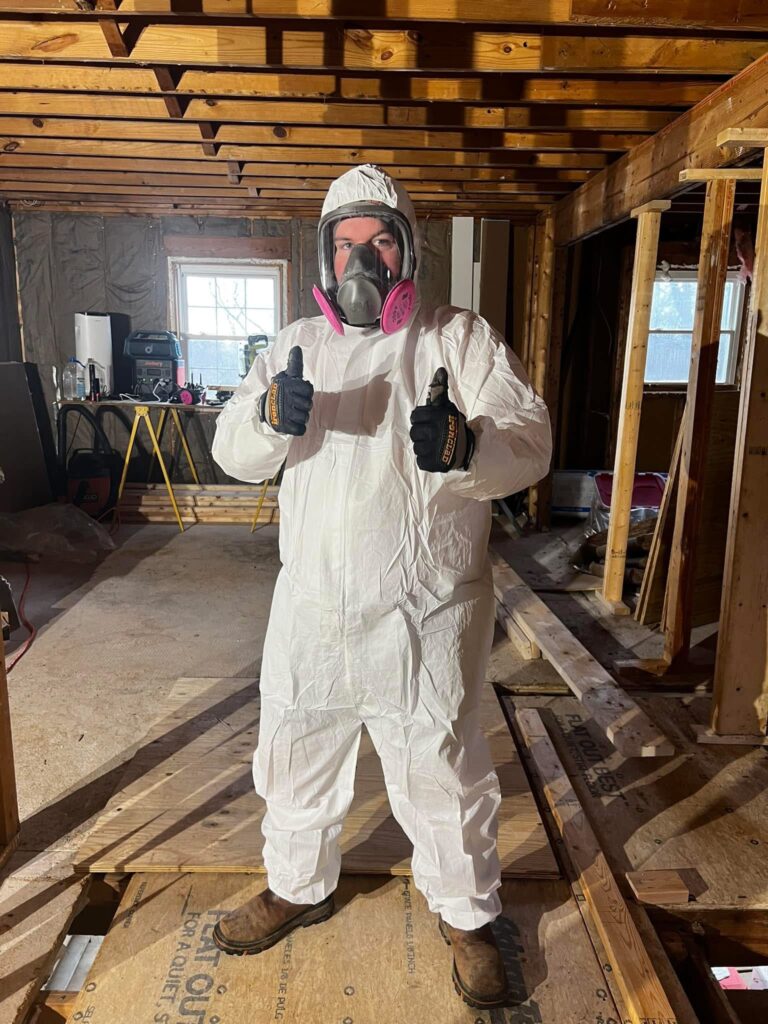
Our first night here was proof that this was going to be different from anything we had done before. We didn’t sleep in the house, not because we hadn’t unpacked yet, but because we couldn’t. The house wasn’t ready for a family. Between the mold, repairs, and everything else that needed attention, we had a lot of work ahead of us before it became our home.
So the camper became home base.
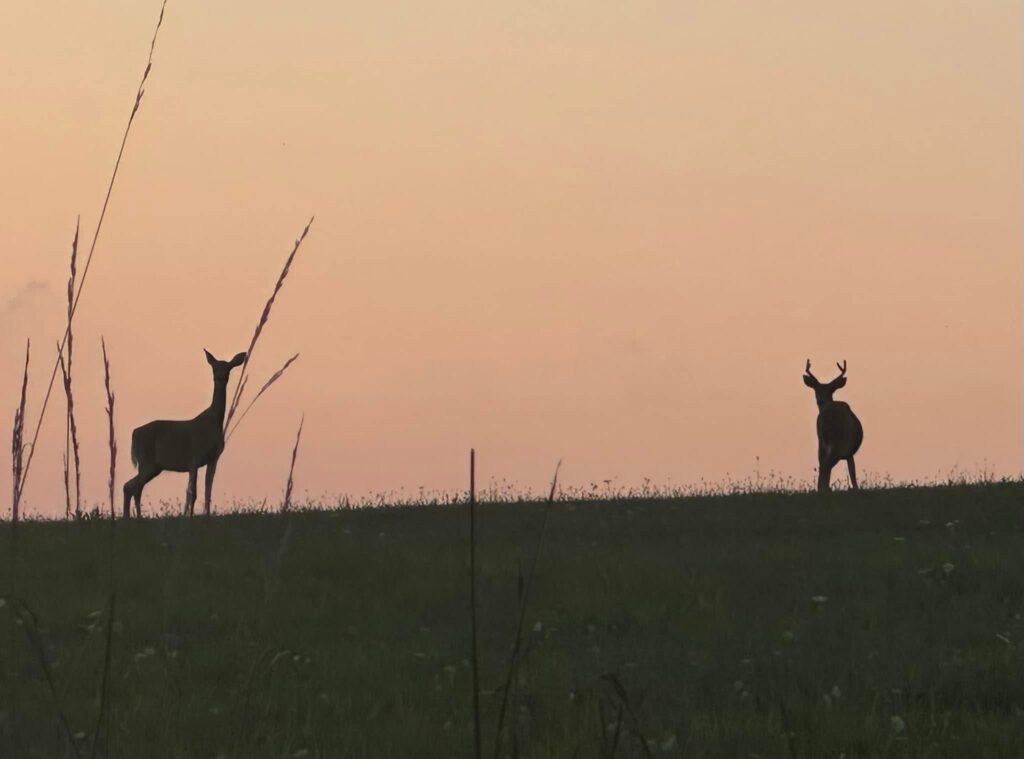
We parked outside the house we had just bought, fired up the generator because we didn’t have electric available to the camper yet, and settled in for the night. When the sun went down, we learned something else about our new place. Dark means something different out here. When you’re used to neighborhoods, there is always some kind of light. Streetlights, porch lights, cars driving by, something. Out here when everything shuts off, it gets dark in a way we weren’t used to.
The house wouldn’t officially become our home until January 2025. Until then, it was months of tearing things apart, fixing problems, changing layouts, and slowly turning this place into somewhere our family could actually live.
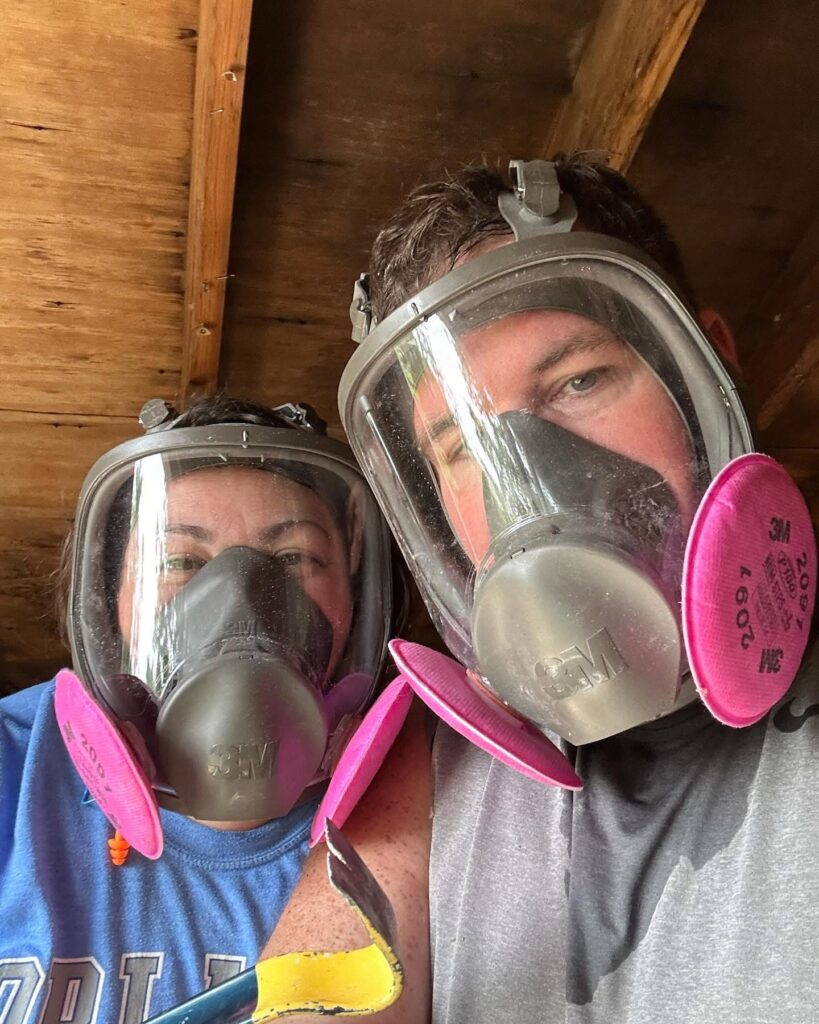
Before JW Homestead, we lived on 0.34 acres in a nice neighborhood. And it really was a nice neighborhood. We had a good home, and we had good people around us. This isn’t a story about running away from something terrible. It was a good place, but over time we started noticing something was missing.
There were 188 homes in that community. We lived there for more than 10 years and when we left, we truly knew one family. One. We were surrounded by people every day but somehow weren’t really connected. People lived feet apart, but conversations were often about things like HOA rules and grass clippings being left on sidewalks.
Moving to the country, we expected fewer people. What surprised us was finding more connection. We know more neighbors now than we did living in a neighborhood full of houses. We stop and talk. We wave at everyone going down the road, whether we know them or not. We catch ourselves doing it when we go back toward the city and occasionally get that confused look of “why is this random person waving at me?”
I started pushing the idea of a homestead because I wanted something different for our family. Self-reliance was a big part of it. We wanted to know where our food came from and wanted our kids to understand the work behind the things we often take for granted.
The funny part is my career is about as opposite as you can get. I spend my days working in technology. Artificial intelligence, enterprise architecture, automation, and helping solve problems with some of the newest tools available. I love technology, and this journey was never about saying modern life is bad.
If anything, the contrast has become one of my favorite parts. One minute I can be having conversations about where artificial intelligence is going. Later that same day I might be talking with my Amish neighbor Allen about the weather, animals, farming, or whatever project one of us has gotten ourselves into.
Allen is Old Order Amish, so our lives look very different. No rubber tires. Horses instead of trucks. Hay and alfalfa instead of gasoline. On paper, we probably shouldn’t have much in common. In reality, we have plenty. We are husbands. We are fathers. We care about our families, our communities, and the land around us.
One of the first big moments with Allen actually didn’t start with us needing help. It started with him needing help. Storms were coming, and anyone who has ever dealt with hay knows rain changes everything. There is a window to get it done, and if you miss that window, you have a problem.
Allen called and asked if I could help get men from other farms over to his place so they could finish putting hay away before the weather moved in. So there I was, loading a bunch of Amish guys into my car and becoming probably the least official transportation service in Jefferson County. They worked late into the night, and around 11 PM I loaded everyone back up and took them home.
It wasn’t some grand event. It was just what neighbors do. Someone had a problem, someone else had the ability to help, and you figured it out.
Later, when our well problems started, that same relationship came full circle. The path to our well wasn’t much of a path anymore. It was about 150 yards of thick brush and trees that had completely taken over. I was looking at a project that probably would have eaten several weekends and involved plenty of frustration, bug bites, and questioning my life choices.
Allen and his community showed up and cleared an eight-foot-wide path all the way back to the well in about two hours. Two hours. I think it took me longer just to stare at the mess and come up with a plan.
That was probably when my definition of self-reliance started changing. Before moving here, it’s easy to think self-reliance means doing everything yourself. What this place has shown us is almost the opposite. It’s about having skills, building relationships, and creating a community where people show up for each other.
The biggest changes though weren’t to the house or the property. They were happening to us.
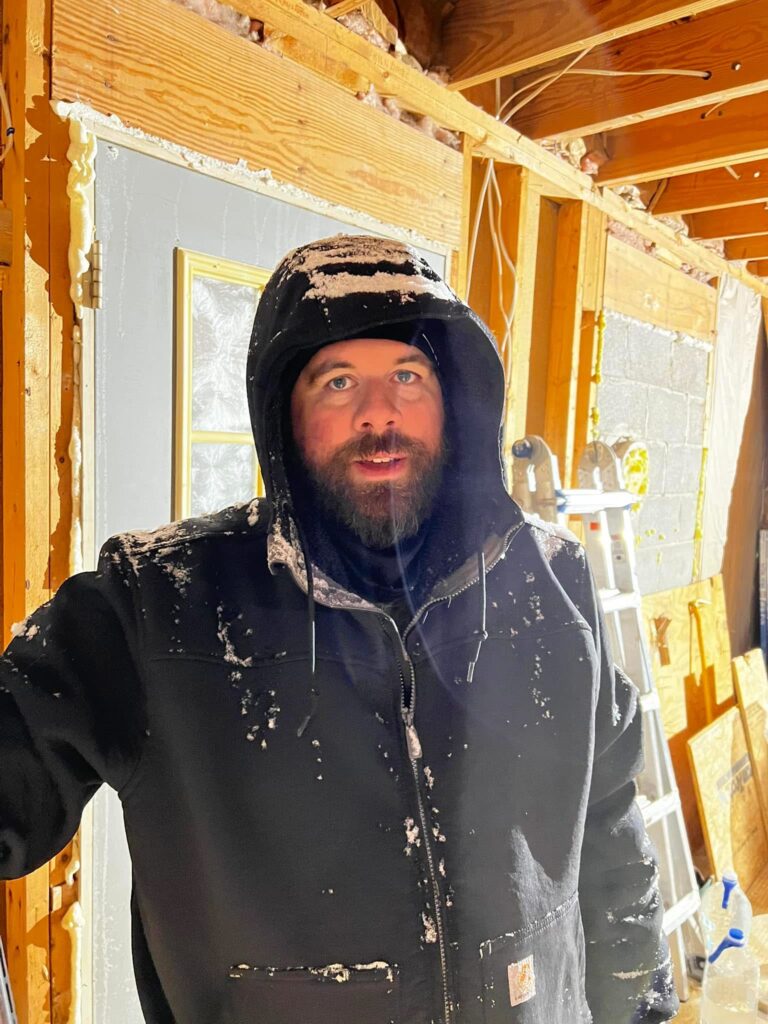
On the first day, our youngest daughter cried because she just wanted to go home. That is a tough thing to hear when you just moved your family into an adventure you convinced yourself was a good idea.
Today she might love this place more than anyone.
Somewhere between collecting eggs, raising animals, running around outside, and realizing this place was hers too, things changed. The animals, the responsibility, and watching things grow changed all of us. There is something different about eating food you invested time and effort into.
One of those moments came when we harvested our first chickens. Before this journey, we weren’t farmers. We didn’t grow up doing this. We were learning as we went, and this was probably one of the biggest tests.
We had friends in Wisconsin ready by the phone in case things went sideways. They had done this before, and sometimes just knowing someone experienced is a phone call away makes jumping into something new a little less intimidating.
But everyone stepped up and everyone had a job. I culled the chickens. Myrna ran the plucker. Nicole eviscerated. Kiera bagged the finished product.
Later, when we sat down and ate the chicken we raised ourselves, there wasn’t some huge emotional speech or movie moment. Mostly there was laughter because it tasted amazing, and because I think we were all a little surprised.
A few months earlier we were a family living in a neighborhood on a third of an acre. Now everyone had a role in putting food on our own table. Not because we had decades of farming experience or because we had everything figured out, but because we were willing to learn.
That is around the time the name JW Homestead started to mean something different to us. The name itself comes from our family. Nicole, myself, Ryley, Kiera, and Myrna all have initials ending in JW. At first it was just a name for this place we bought. Over time it became a pretty good description of what we were building together.
And believe me, we are still building.
The project list hasn’t gotten smaller. If anything, owning 15 acres means discovering new projects you didn’t even know existed. There is always another fence to fix, another tree to clean up, another animal project, another repair, and another moment where you find yourself standing there saying, “Well, I guess we’re learning how to do this now.”
We came here thinking we were buying land. We thought we were taking on a house that needed repairs, some overgrown acreage, and a long list of projects.
We weren’t wrong.
The house definitely needed work.
Turns out, so did we. 🌱


Leave a Reply